The tragedy of the commons
Shared resources with no owner get depleted because individual incentive diverges from collective good.
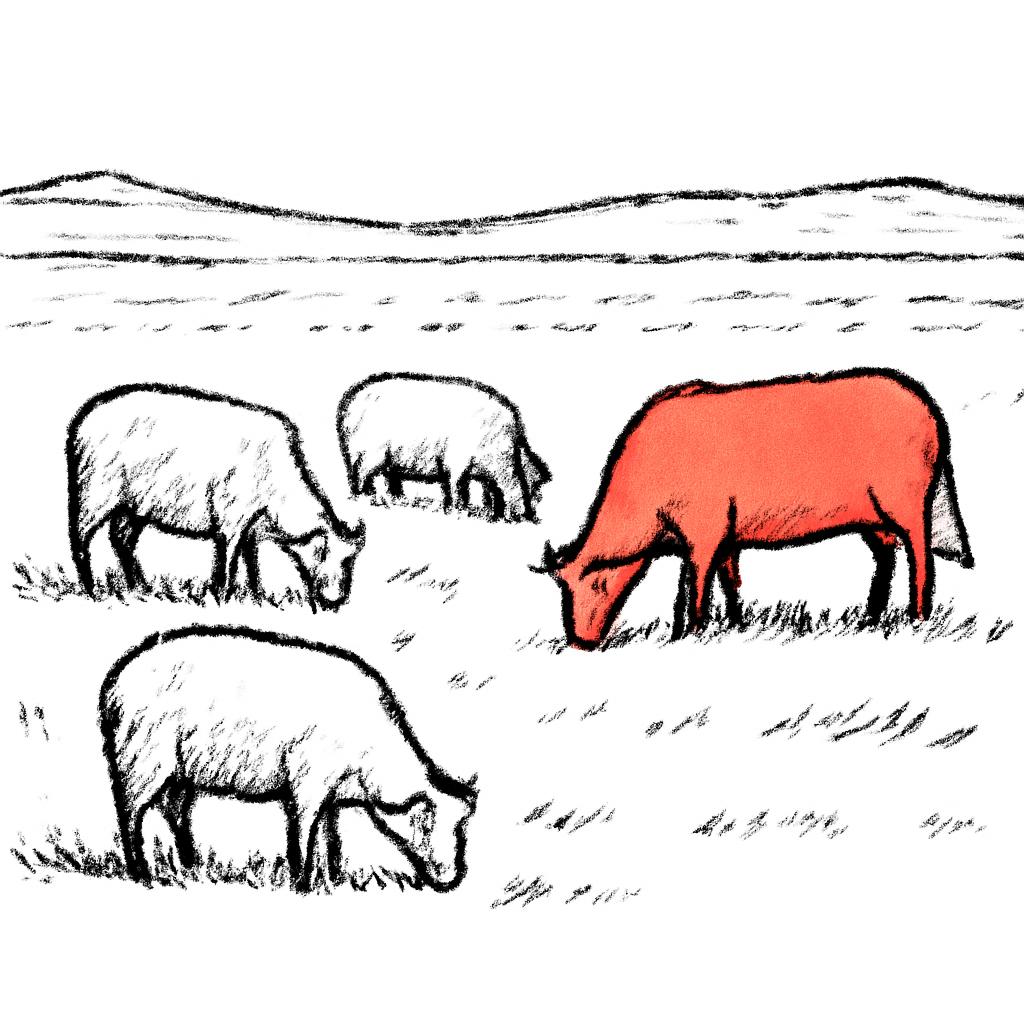
Garrett Hardin's famous essay. A pasture open to everyone is overgrazed because each shepherd benefits from adding one more animal, while the cost (depleted grass) is shared. Each individual rationally maximises their use, and collectively the resource is destroyed.
The pattern applies far beyond literal commons. Climate change is a global commons problem. Antibiotic resistance is a commons problem. Open offices where everyone takes "just one" personal call. Shared codebases that everyone hacks but no one maintains.
For operators, the practical fixes are usually: assign ownership, price externalities, or build social pressure. "Everyone's responsibility" is no one's responsibility in any commons system.
Examples in the wild
Shared engineering platforms without clear owners accumulate cruft. Each team contributes small amounts of mess; over years the platform becomes unusable. Assigning ownership fixes this.
Companies that depend on shared regulatory commons (clean air permits, water rights) are vulnerable when other actors abuse them. The well-run participants pay the cost of the bad ones.
Apartment buildings, neighbourhoods, and online communities all face commons dynamics. The healthy ones have explicit ownership or norms. The unhealthy ones don't.
The tragedy of the commons is one of the mental models we apply through real cases inside the Pareto MBA — a part-time program for professionals who want to think clearly about business.