Skin in the game
Never trust the advice of someone who doesn't bear the consequences of being wrong.
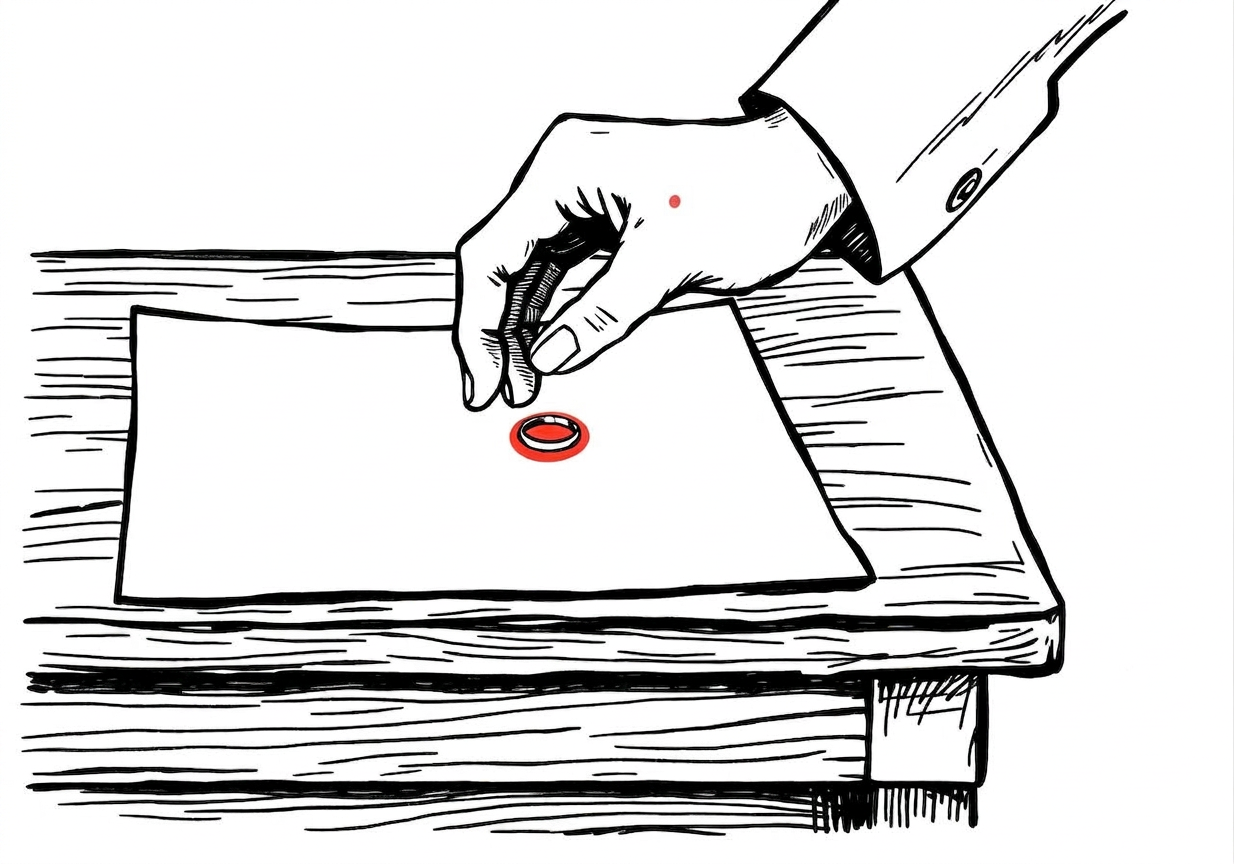
- Never trust the advice of someone who doesn't bear the consequences of being wrong.
- Operating: A startup founder who eats their own dog food (uses their own product daily, exclusively) has skin in the game.
- Investing: Hedge fund managers who put their own net worth into their fund (alongside investor capital) outperform managers who don't.
- Everyday life: When someone gives you career advice, ask what they actually did with their own career.
Nassim Taleb's principle, sharpened into a book by the same name. The idea is ancient (Hammurabi's code: if a builder builds a house that collapses and kills the owner, the builder is put to death) but Taleb has done the work of making it practical for modern business.
The 2008 financial crisis is his canonical example. The people making the worst lending decisions didn't lose money personally when those decisions blew up. They had sold the loans to someone else. Some of them collected bonuses on the way out. Skin in the game would have produced very different decisions.
Compare to a butcher who guarantees their meat. A contractor who provides a 10-year warranty. A chef who eats at their own restaurant. A surgeon who would let their own family be operated on by the same surgeon. People who bear consequences make different decisions than people who don't.
Once you notice the asymmetry, it shows up everywhere:
- Stock analysts whose recommendations don't move their own portfolios
- Politicians who pass laws they're personally exempt from
- Consultants who give advice they wouldn't take themselves
- Critics who never make anything
- Pundits who predict elections without putting any money on them
Taleb's prescription: the person making a recommendation should have something to lose if the recommendation is wrong. Otherwise their advice is cheap talk, and you should price it accordingly.
For operators, three useful applications:
- When hiring senior people, look at how their compensation works. Are they paid for outcomes (skin) or for activity (no skin)? Activity-based comp produces activity-based decisions.
- When choosing advisors, lawyers, agencies, consultants, look for ones whose income depends on your success. Most do not. Most are paid on hours or retainers and have no skin.
- When listening to predictions or strategy advice (including from internal teams), ask: "What happens to this person if they're wrong?" If the answer is nothing, weight the opinion lower. If the answer is "they lose serious money or status," weight it much higher.
For yourself: actions you take with personal exposure matter more than opinions you express without it. Be careful about giving confident advice in areas where you have no exposure to being wrong. People will (rightly) discount it.
Examples in the wild
A startup founder who eats their own dog food (uses their own product daily, exclusively) has skin in the game. If the product is bad, they suffer first. Companies whose founders don't use their own product often build products no one uses.
Hedge fund managers who put their own net worth into their fund (alongside investor capital) outperform managers who don't. The skin sharpens the decisions. Worth asking any fund manager before investing: how much of your money is in this fund?
When someone gives you career advice, ask what they actually did with their own career. If their own path looks different from their advice, weight the advice accordingly.
Skin in the game is one of the mental models we apply through real cases inside the Pareto MBA — a part-time program for professionals who want to think clearly about business.