Moral hazard
Insulated from downside, people take more risk.
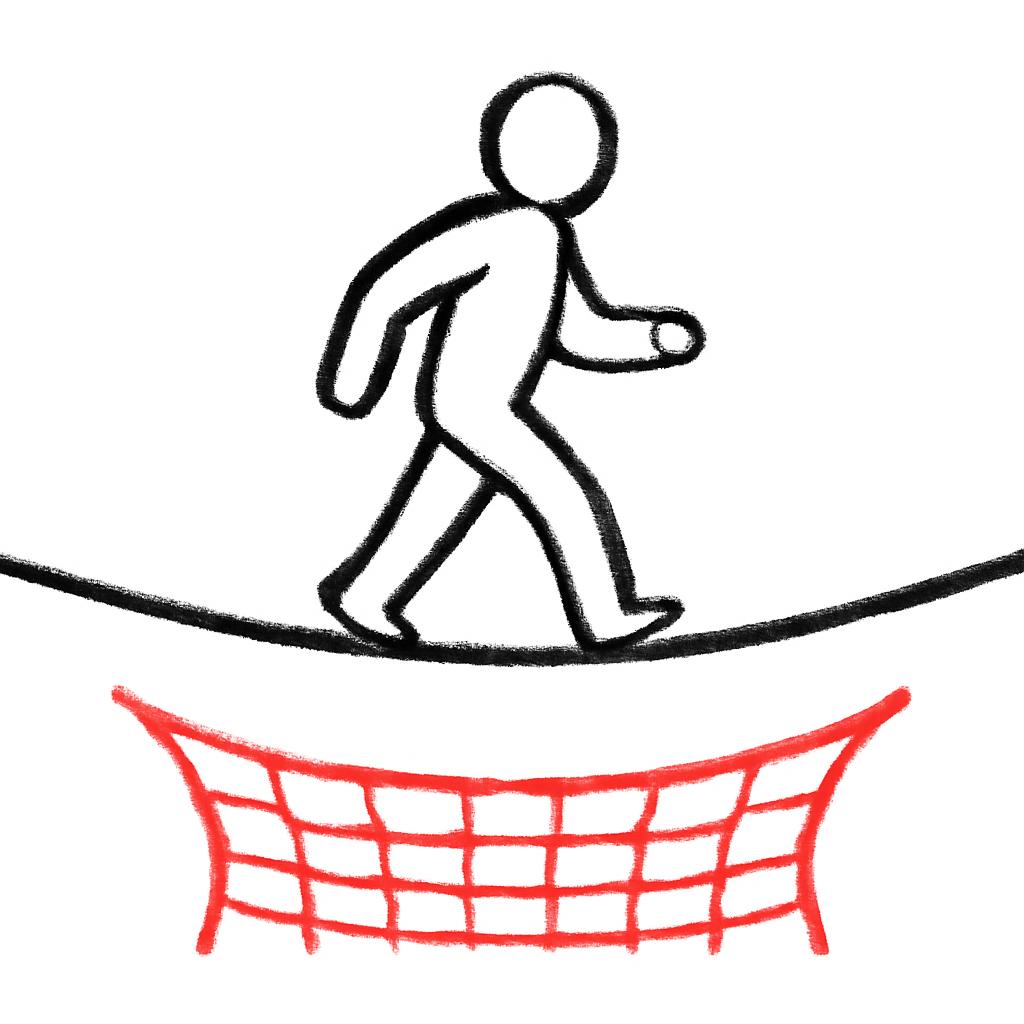
The mirror of skin in the game. When the person making a decision doesn't bear the consequences, they take more risk than they would if they did. Insured drivers drive less carefully. Bailed-out banks lend more aggressively. Limited-liability executives make bigger bets.
The mechanism is rational. Why be careful when the downside doesn't reach you? The principle predicts widely observed behaviour: insurance markets have to write exclusions, lending markets have to monitor borrowers, employers have to monitor employees.
For operators, the warning is to design systems that put real consequences on the decision-makers. Bonuses that vest only after the consequences materialise. Personal capital from founders in their funds. Co-investment from senior partners. Without these, moral hazard quietly degrades decision quality.
Examples in the wild
Executives with stock options that vest before consequences become visible are running explicit moral hazard. The same executive with personal capital in the company makes different decisions.
Fund managers paid on AUM rather than performance run a moral hazard against their investors. Their incentive is to gather more assets, not to make better decisions.
Renters take less care of property than owners. Bailed-out friends keep making the same financial mistakes. The pattern is structural.
Moral hazard is one of the mental models we apply through real cases inside the Pareto MBA — a part-time program for professionals who want to think clearly about business.