The sunk cost fallacy
Throwing more in because you've already thrown a lot in, not because the forward economics work.
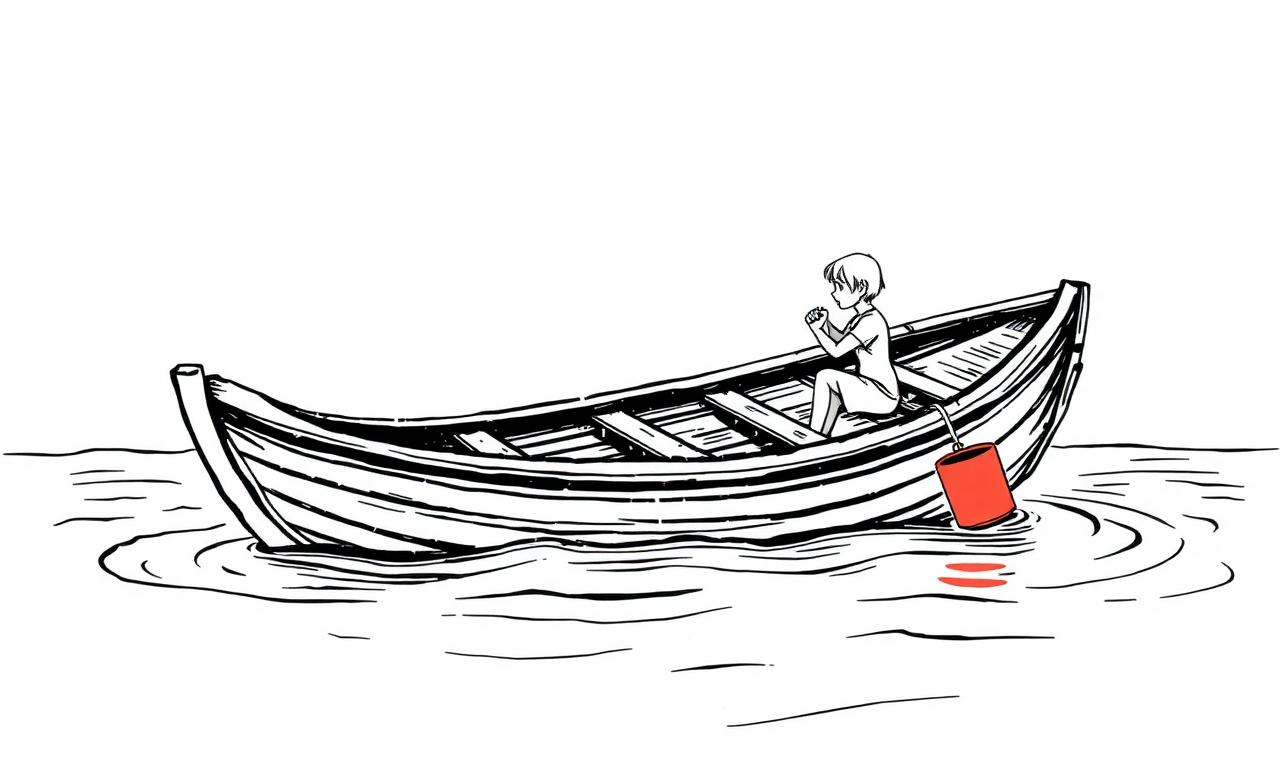
- Throwing more in because you've already thrown a lot in, not because the forward economics work.
- Operating: Concorde flew for 27 years partly because the British and French governments had invested too much to admit it was uneconomic.
- Investing: Retail investors holding losing stocks 'until they come back' is sunk cost in action.
- Everyday life: Sitting through a bad movie because you paid for the ticket.
The trap is simple: you've already spent $500k on a project. It needs another $300k to finish. Question: should you spend the $300k?
The answer is "it depends on what the project is worth from here." The $500k is gone either way. It shouldn't enter the decision. But almost everyone instinctively wants to spend the $300k because of the $500k already in. That's the sunk cost fallacy.
It shows up everywhere:
In product. "We've been building this feature for six months, we can't cancel it now." Yes, you can. The six months are gone. The question is whether the next six months are worth more on this feature or somewhere else.
In hiring. "We've invested so much in training this person." If they're not working out, the investment is sunk. The question is whether the next 12 months are better spent on them or on a replacement.
In relationships. "We've been together 8 years, we can't break up now." The 8 years are gone. The question is whether year 9 is better together or apart. The answer might still be together. But the 8 years aren't the reason.
In your own career. "I've spent 12 years becoming a lawyer, I can't switch now." Yes, you can. The 12 years built skills that transfer. The question is what the next 30 years look like.
The reason sunk cost is so seductive is that quitting feels like admitting the original decision was wrong. Often it was, but the cost of being wrong is fixed. The cost of doubling down is open-ended.
A useful trick: imagine you weren't already in. If you were starting fresh today, with the current information, would you start this project, this hire, this relationship? If the honest answer is no, the sunk cost is what's keeping you in.
Worth knowing: sunk cost has a sibling called the "endowment effect" (we overvalue things we own simply because we own them). Both biases pull in the same direction. Both are about being attached to what's already happened instead of focused on what comes next.
Examples in the wild
Concorde flew for 27 years partly because the British and French governments had invested too much to admit it was uneconomic. The plane was beautiful and a financial disaster. Everyone knew by 1976; it took until 2003 to actually shut it down.
Retail investors holding losing stocks 'until they come back' is sunk cost in action. The original purchase price is irrelevant. The only question that matters is whether the stock is worth more or less than its current price from here on out.
Sitting through a bad movie because you paid for the ticket. The ticket is gone whether you stay or leave. Leaving frees up two hours.
The sunk cost fallacy is one of the mental models we apply through real cases inside the Pareto MBA — a part-time program for professionals who want to think clearly about business.