Nash equilibrium
A state where no player can improve by unilaterally changing strategy. Stable but not necessarily optimal.
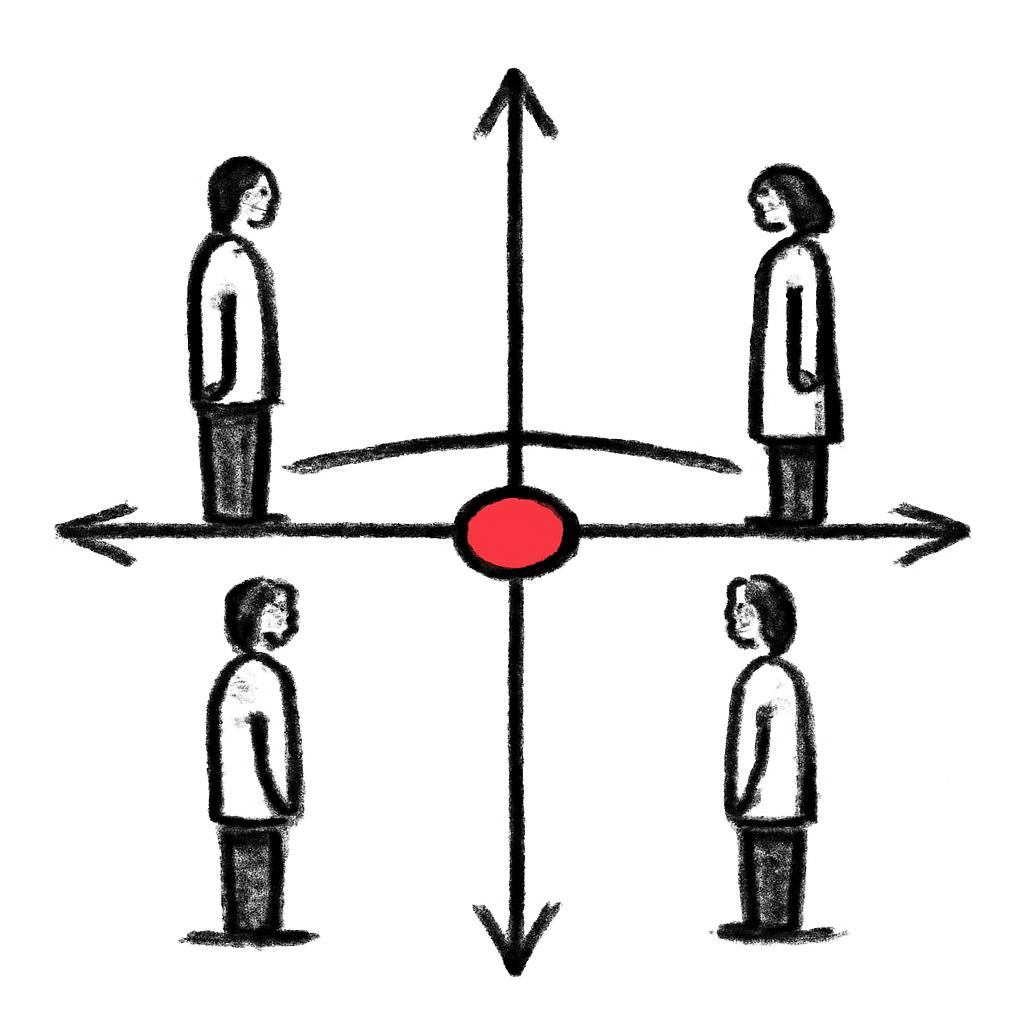
John Nash, mathematician. A Nash equilibrium is a configuration of strategies in a multi-player game where no individual player can do better by changing only their own strategy. The equilibrium is stable: nobody has a reason to deviate.
The prisoner's dilemma's both-defect outcome is a Nash equilibrium. Both players would be better off cooperating, but neither can unilaterally improve by switching, given the other's defection. The bad outcome is locked in.
For operators, Nash equilibria explain a lot of stuck situations. Industries where everyone hates current practice but no single player can change. Office cultures where everyone wants improvement but no one moves first. The principle is also the reason that collective action sometimes requires coordination (collective bargaining, industry agreements, regulatory intervention).
Examples in the wild
Many industries reach Nash equilibria of mutual aggressive marketing spend. Everyone would be better off spending less, but no single player can unilaterally reduce.
Market valuations during bubbles are often Nash equilibria of mutual buying. No single investor can profitably exit early.
Office norms of staying late are Nash equilibria. Everyone would be better off leaving on time; no one can unilaterally do so without looking less committed.
Nash equilibrium is one of the mental models we apply through real cases inside the Pareto MBA — a part-time program for professionals who want to think clearly about business.