Game theory
Reasoning about decisions when outcomes depend on others' choices.
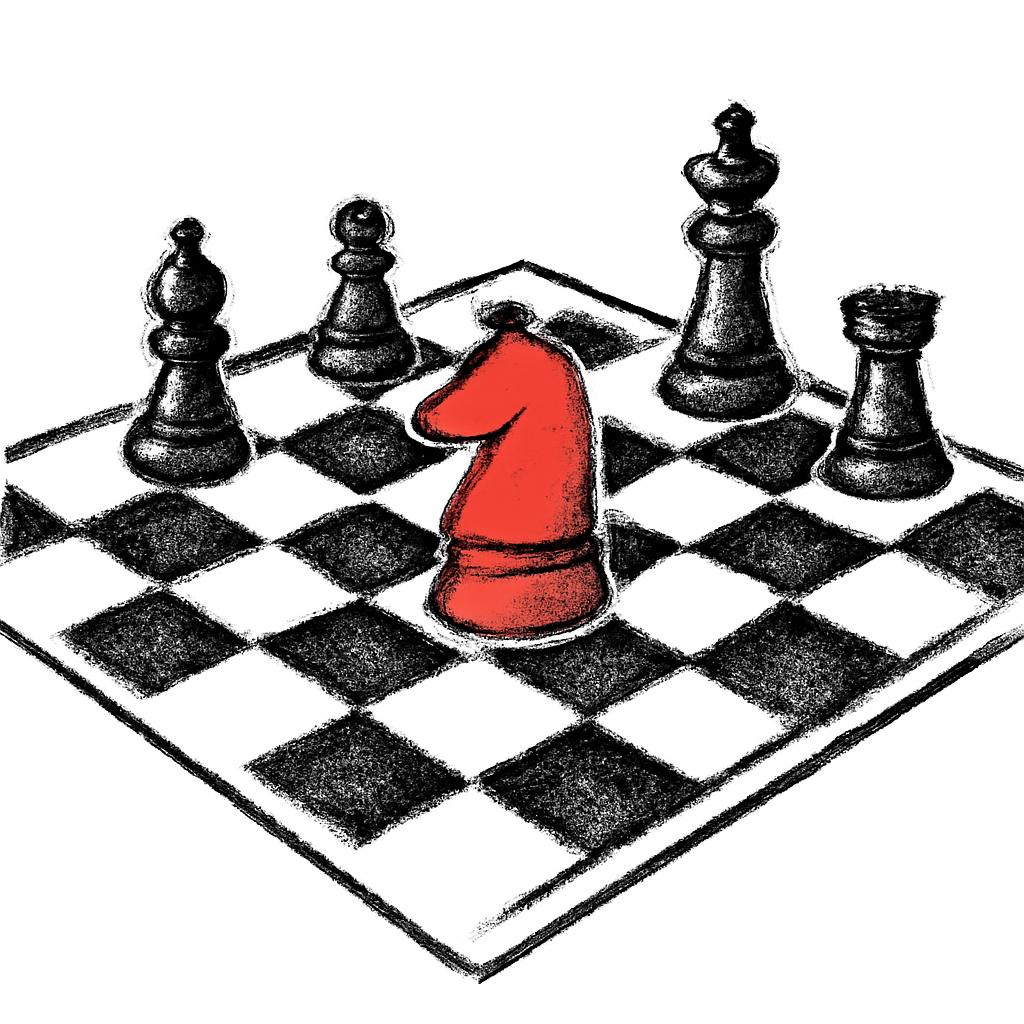
Game theory is the mathematics of strategic interaction. Whenever your payoff depends on what someone else does, and theirs depends on what you do, you're in a game. Game theory tries to predict equilibrium outcomes and identify dominant strategies.
The discipline is most useful when applied with humility. Real humans aren't perfect game-theoretic agents. They have emotions, limited information, and bounded rationality. Pure game-theoretic predictions often miss the mark.
For operators, game theory matters because most important business situations are games: negotiations, competitive moves, hiring rivalries, M&A. Modelling the other side's incentives and likely moves usually improves decisions, even if the model is rough.
Examples in the wild
Most M&A negotiations are repeated games where reputation matters. Pure greed produces worse outcomes than principled cooperation, because the cooperative reputation pays in the next deal.
Activist campaigns are games. Each side's moves are designed to anticipate the other's response. Treating them as one-off financial decisions misses the dynamic completely.
Salary negotiations are games. The first offer, the counter, the timing, the alternatives, all are moves in a structured interaction with predictable patterns.
Game theory is one of the mental models we apply through real cases inside the Pareto MBA — a part-time program for professionals who want to think clearly about business.