The Bob Rubin trade
Capturing upside while offloading tail risk onto others. The pathology of skin-in-the-game's absence.
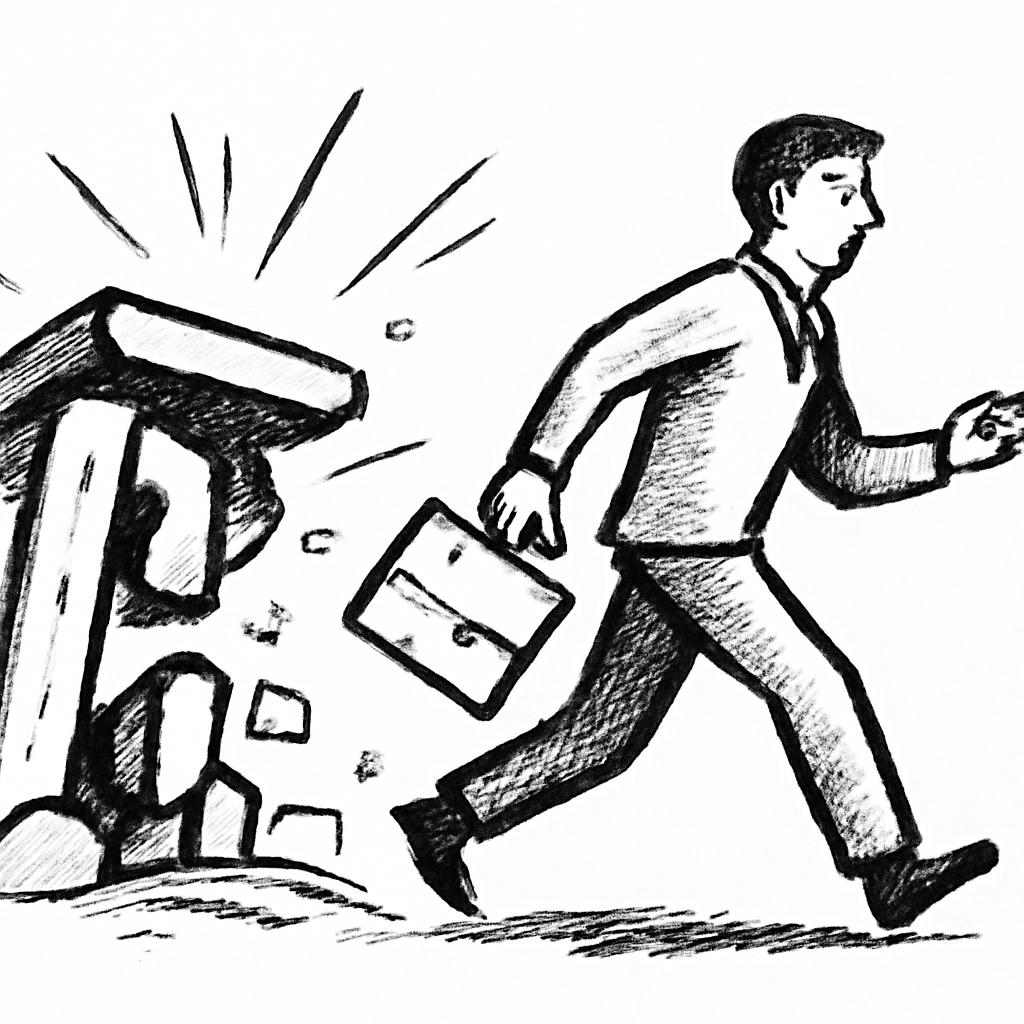
Robert Rubin, former Treasury Secretary and Citigroup executive, took home roughly $120M over the years Citigroup was loading up on the toxic assets that nearly destroyed it. When the firm collapsed and required a $45B taxpayer bailout, he kept the bonuses. Taleb names this pattern after him.
The trade: collect outsized fees and bonuses in good years, walk away or get bailed out in bad years. The asymmetry is the point. The person doing the trade doesn't bear the downside.
For operators, the discipline is to spot Bob Rubin trades in your environment and resist them. They look attractive: more income now, problems later. The problems eventually arrive, but usually after the trader has cashed out.
Examples in the wild
Senior executives with stock options that vest before the consequences of their decisions become visible are running Bob Rubin trades. Performance-based pay needs to extend well past the decision horizon to align skin in the game.
Hedge fund 2-and-20 fees are essentially Bob Rubin trades if the manager doesn't have substantial personal capital in the fund. The asymmetry is built into the contract.
Anyone offering you outsized returns without explaining what they're personally risking is potentially running a Bob Rubin trade with you on the wrong side.
The Bob Rubin trade is one of the mental models we apply through real cases inside the Pareto MBA — a part-time program for professionals who want to think clearly about business.