Bias from incentives
Agents rationalise what pays them.
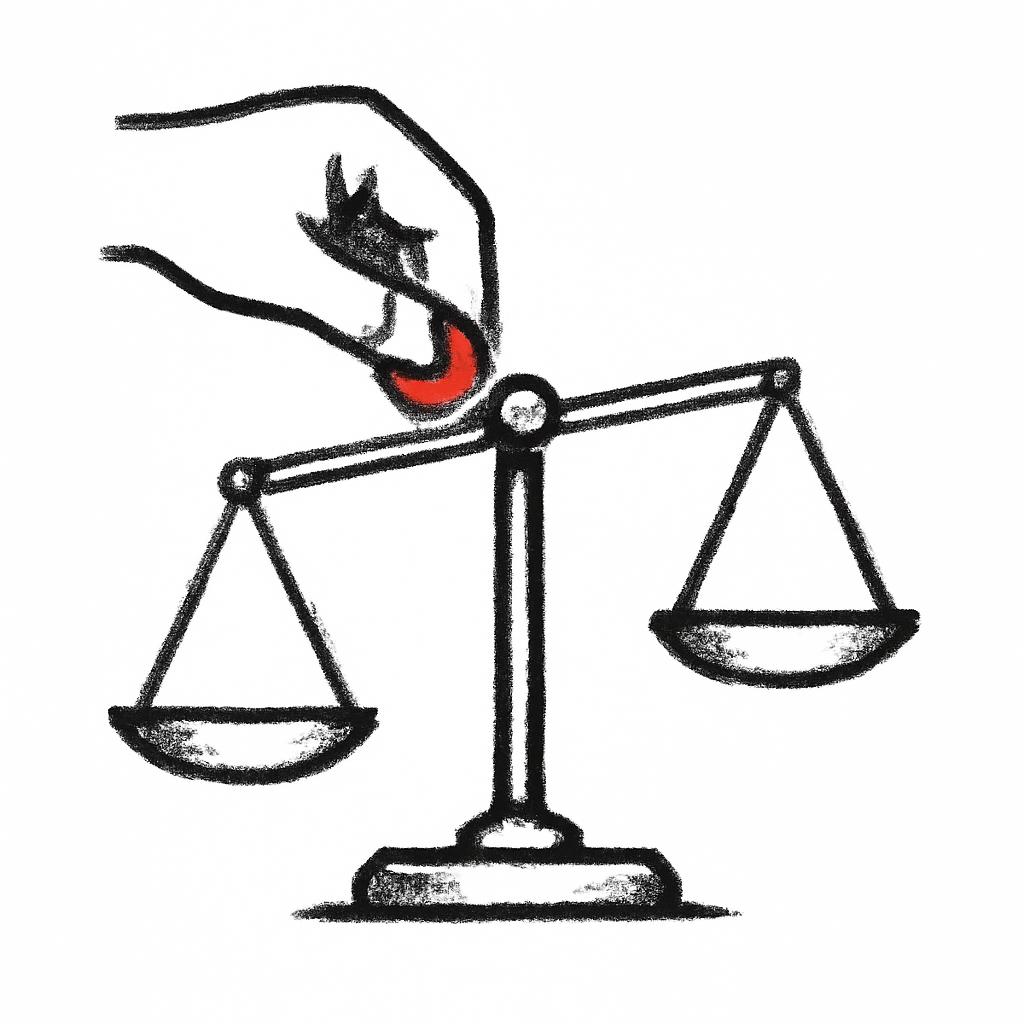
The salesman believes in the product they sell. The financial advisor believes the fund they recommend. The consultant believes the methodology they teach. The economist believes the model their grant rewards. In each case, the belief is sincere, and in each case, it's downstream of the incentive structure.
The mechanism is psychological, not corrupt. Humans rationalise their behaviour. If you're paid to advocate for X, you'll find yourself believing X is genuinely good, because believing your work is good is psychologically necessary.
For operators, the practical implication is to discount expert opinions in proportion to the incentive bias. Doctors paid by procedures recommend more procedures. Lawyers paid by hours bill more hours. Bankers paid on deals do more deals. None are villains; all are responding to the gradient.
Examples in the wild
External consultants almost always recommend more consulting. The bias isn't dishonest; their professional model produces the recommendation. Discount accordingly.
Sell-side analysts at investment banks rate stocks more favourably than buy-side analysts do, on average. The bank wants the deal flow. The bias is observable in the data.
Anyone giving you advice is more reliable when they have no skin in your decision. The friend who has no financial stake in your purchase is more honest about the purchase than the salesperson, even when both are decent people.
Bias from incentives is one of the mental models we apply through real cases inside the Pareto MBA — a part-time program for professionals who want to think clearly about business.