Wittgenstein's ruler
When you measure the table with the ruler, you're also measuring the ruler with the table.
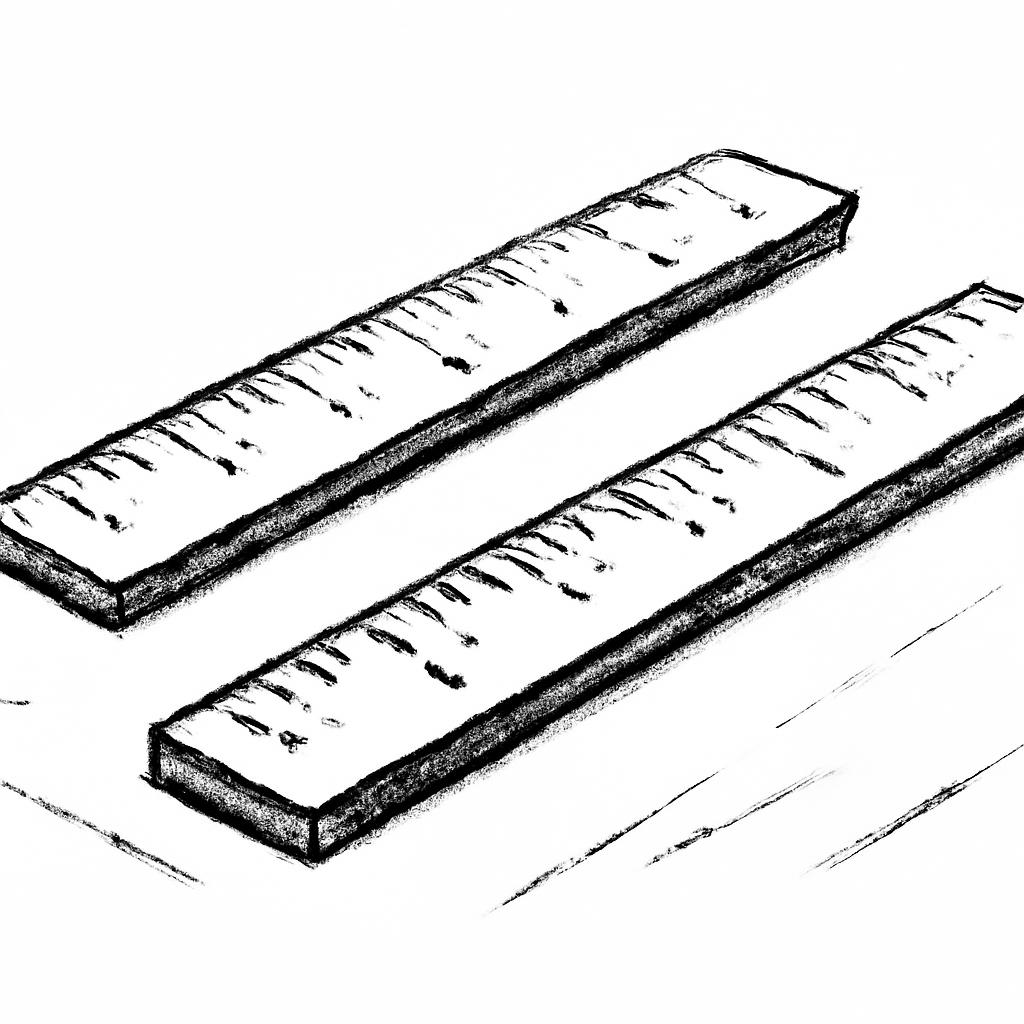
If you trust the ruler, you learn about the table. If you trust the table, you learn about the ruler. The measurement is symmetric, even if our intuition treats it as one-directional.
The application: when someone makes a strong claim about something, the claim tells you about the thing being claimed AND about the claimer. A confident measurement from an unreliable measurer tells you mostly about the measurer.
For operators, the principle helps in evaluating analysis, forecasts, and assessments. A confident negative review of your company says something about your company and something about the reviewer. The latter often matters more than the former.
Examples in the wild
Hostile internal feedback often says as much about the person giving it (their incentives, their relationship to the work) as about the work itself. Both signals matter.
When a famous investor publicly attacks a company, the attack tells you about the company and about the investor's positioning and motives. Both are information.
Reviews of any restaurant, book, or product reveal both the thing and the reviewer. Knowing the reviewer's calibration is half of using the review well.
Wittgenstein's ruler is one of the mental models we apply through real cases inside the Pareto MBA — a part-time program for professionals who want to think clearly about business.