Trust
The invisible substrate of all transactions. High-trust systems are radically more efficient.
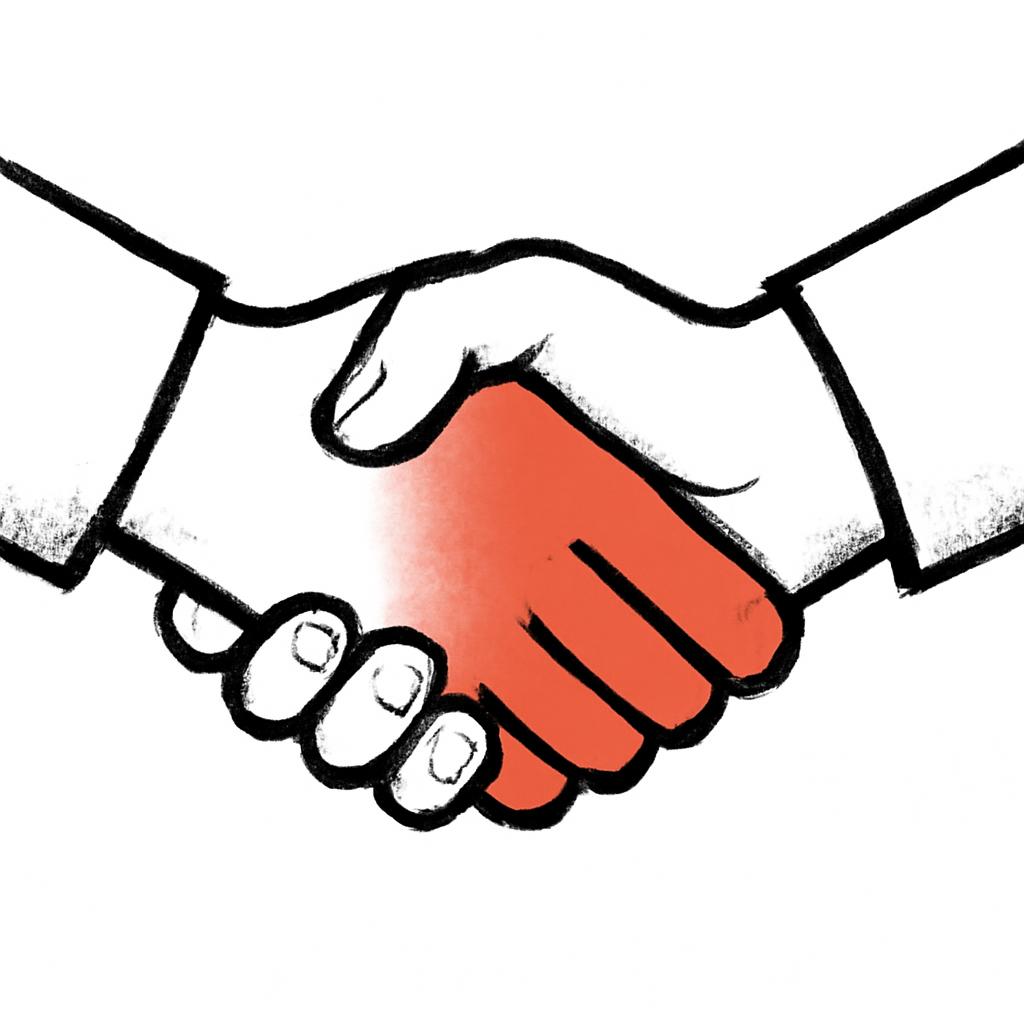
Munger calls Berkshire's culture "a seamless web of deserved trust." The point is precise: trust isn't soft or sentimental; it's a hard operational asset. Low-trust environments require lawyers, contracts, audits, escrow, multi-step verification. High-trust ones don't. The difference compounds across every transaction the organisation makes.
For operators, trust matters in two directions. First, build cultures where trust is the default within the company and with key partners. The efficiency gains pay back the cost of the few times someone abuses the trust. Second, recognise high-trust counterparties and value them accordingly. They're worth more than the contractual surface implies.
The hard part is that trust takes years to build and minutes to destroy. The asymmetry is brutal. One serious betrayal can wipe out a decade of accumulated trust. The implication: treat trust as an asset to be aggressively protected.
Examples in the wild
Companies that operate on high-trust principles (Berkshire, Costco, John Lewis) consistently outperform their lower-trust peers in the same industries. The compounding effect is real.
Buffett's approach to acquisitions is essentially trust-based. He keeps the management, doesn't impose burdensome reporting, and treats sellers as long-term partners. This wins deals he wouldn't win on price.
The longest-lasting relationships in life are built on accumulated trust. The energy of newer relationships often comes from how cheap and slow the trust-building still is.
Trust is one of the mental models we apply through real cases inside the Pareto MBA — a part-time program for professionals who want to think clearly about business.