Cooperation and symbiosis
Competition explains a lot. Cooperation built the eukaryotic cell and every human institution.
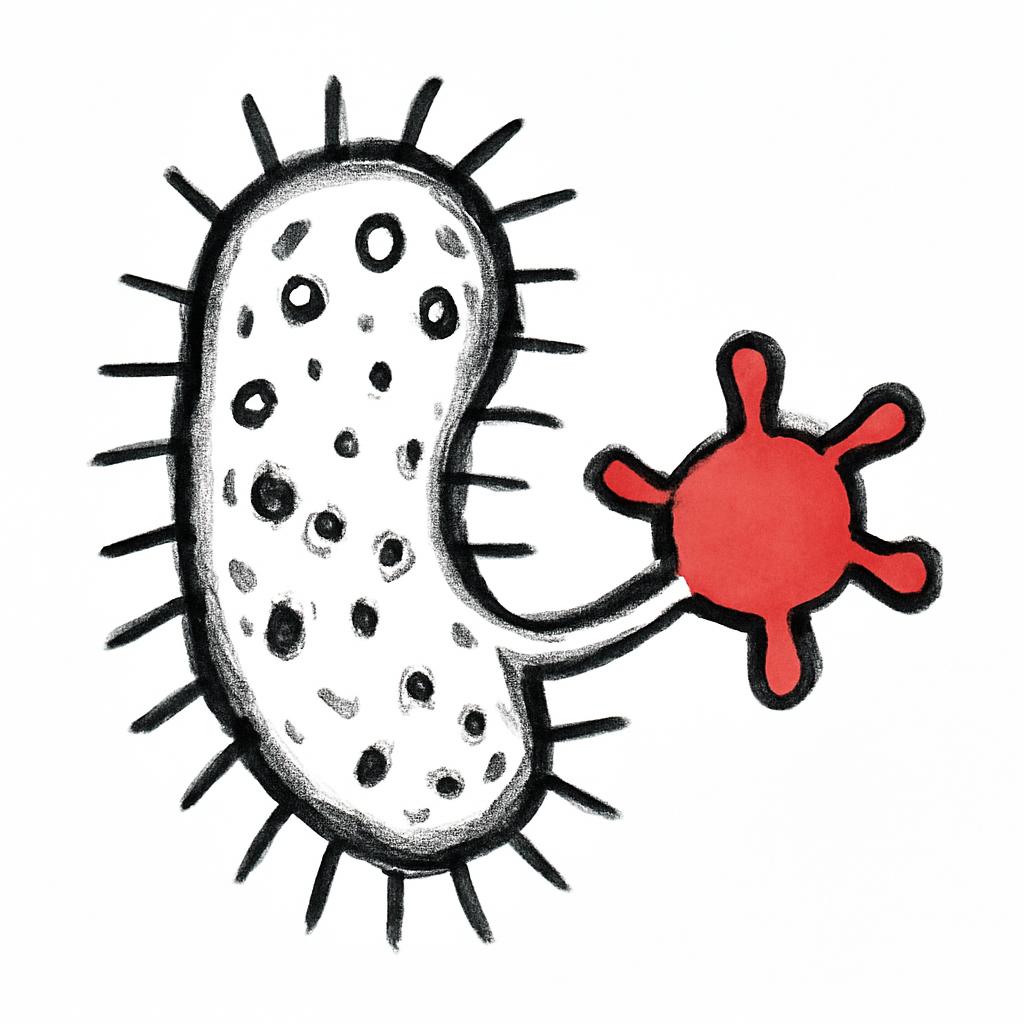
Standard accounts of evolution emphasise competition. But cooperation is just as fundamental. Mitochondria in your cells were once free-living bacteria that merged with another organism in a symbiotic relationship that's still running 2 billion years later. Coral reefs, lichens, gut bacteria, all are cooperation systems.
In human terms, cooperation is what built every institution from families to companies to nations. The systems that allow large numbers of unrelated humans to trust each other (contracts, money, law, brands) are cooperation technology.
For operators, cooperation is often higher-leverage than competition. Most durable business advantages come from systems of cooperation (with employees, customers, suppliers) rather than from defeating competitors.
Examples in the wild
Companies that treat employees, suppliers, and customers as cooperative partners often outperform companies that treat all of them as adversaries to extract value from.
Buffett's investment style explicitly values cooperative relationships. He stays out of board fights and tends to support management, betting on the cooperative model being more durable than the activist one.
Long-term relationships, communities, and families are cooperation systems. The ones that thrive have invested in the trust infrastructure that makes cooperation cheap.
Cooperation and symbiosis is one of the mental models we apply through real cases inside the Pareto MBA — a part-time program for professionals who want to think clearly about business.