Switching costs
The friction that keeps customers in even when something better exists.
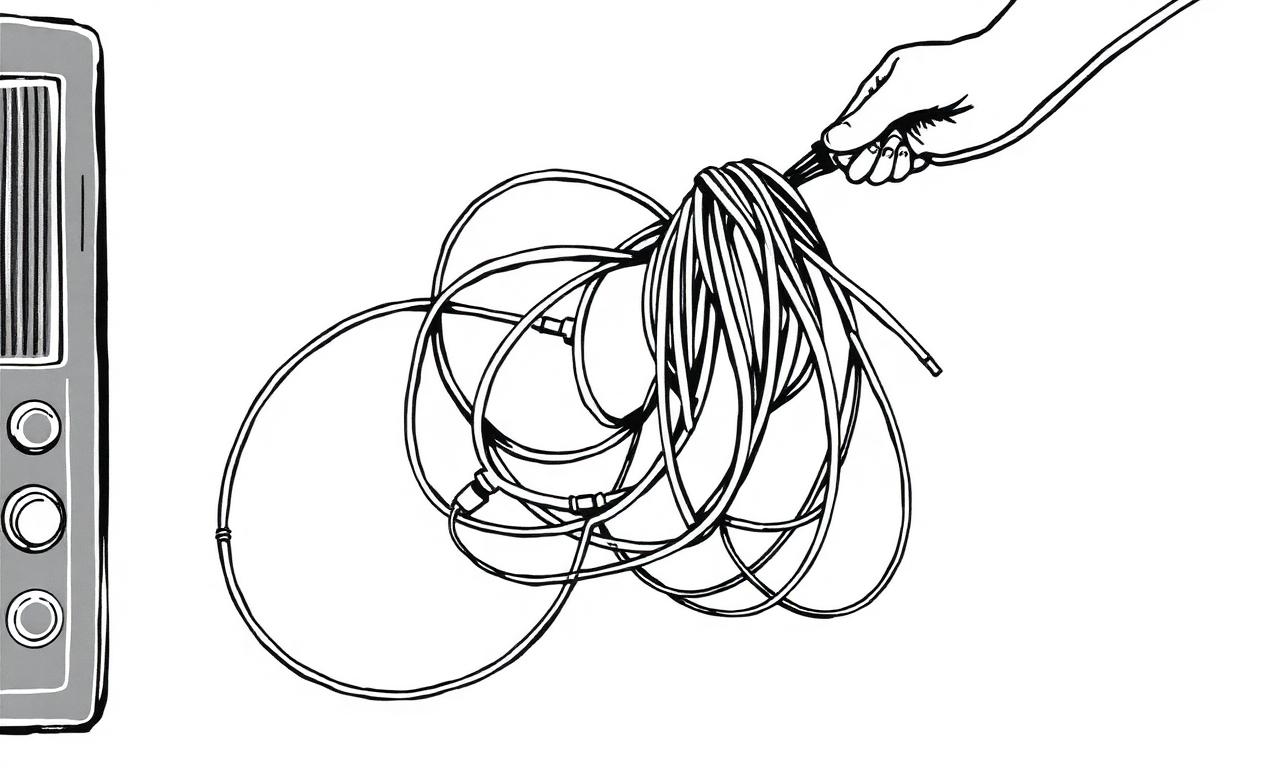
- The friction that keeps customers in even when something better exists.
- Operating: Most ERP migrations cost more than the licence fees they save.
- Investing: Microsoft's Office franchise survived several waves of cheaper or free competitors because the switching cost of retraining a 50,000-person workforce on a new suite is enormous.
- Everyday life: Phone numbers used to be locked to your carrier, so people stayed on bad plans.
Switching costs are everything a customer has to give up, do, or risk to leave you for a competitor. The bigger the switching cost, the longer your customer stays even when a better product shows up.
A simple test: if your customers' main reason for staying is "it would be a nightmare to change," you have switching costs.
The biggest ones in B2B:
- Data. Years of records in one system. Salesforce, SAP, your accounting software.
- Integrations. You've wired the product into ten other tools. Untangling that is expensive.
- Training. Hundreds of employees know how to use it. Retraining them takes months.
- Process. The way you work is shaped by the software. Changing the software means redesigning the process.
In B2C the switching costs are often smaller, but real. Photos in iCloud. Music in Spotify. Friends and connections in WhatsApp. Your bank routing number. Each one is a small reason to not bother.
Switching costs are great for the company that holds them and bad for the customer who's stuck. Smart operators try to build them in deliberately: free integrations, generous data export tools that no one ever uses, training programs, certification.
Two warnings. First, switching costs can hide a deteriorating product. If customers stay only because leaving is painful, you're a step away from someone solving the migration problem (which is exactly what every new SaaS company tries to do). Second, regulators have noticed. The EU's Digital Markets Act and similar moves are explicitly trying to lower switching costs for platforms that have gotten too sticky.
Switching costs work best in combination with other moats. SAP has switching costs AND scale AND brand. That's why it's hard to dislodge.
Examples in the wild
Most ERP migrations cost more than the licence fees they save. Companies routinely keep running an inferior system for 10+ years because the alternative is an 18-month project with real downtime risk.
Microsoft's Office franchise survived several waves of cheaper or free competitors because the switching cost of retraining a 50,000-person workforce on a new suite is enormous.
Phone numbers used to be locked to your carrier, so people stayed on bad plans. Once number portability was mandated by law, churn went up overnight. Regulators undid the switching cost.
Switching costs is one of the mental models we apply through real cases inside the Pareto MBA — a part-time program for professionals who want to think clearly about business.