Network effects
When the product gets more valuable the more people use it.
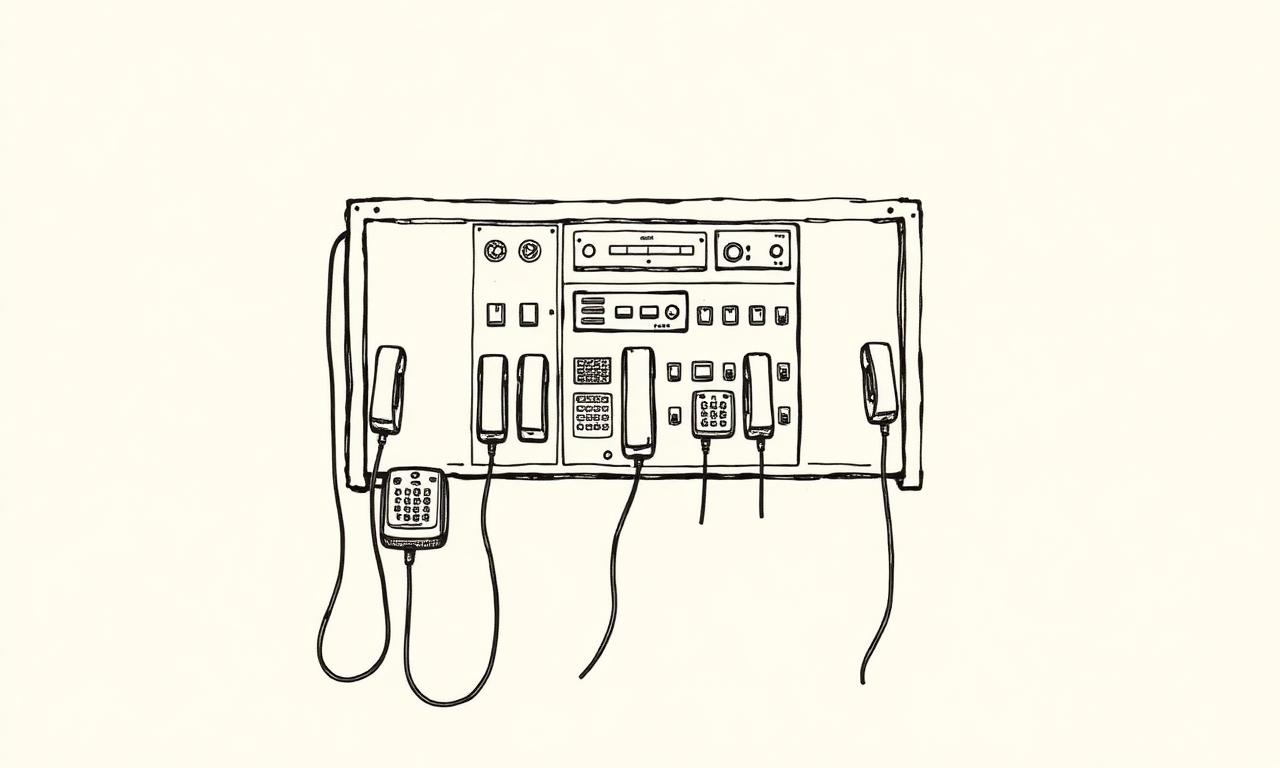
- When the product gets more valuable the more people use it.
- Operating: Visa charges merchants for the right to accept its cards because every shopper carries one, and shoppers carry one because every merchant takes it.
- Investing: Marketplaces (Airbnb, Uber, Etsy) trade at much higher revenue multiples than traditional service businesses precisely because investors are paying for the network effect.
- Everyday life: Phone numbers, email addresses and street-name conventions all have network effects.
The textbook example is the telephone. One telephone is useless. Two telephones can call each other. A million telephones can call any other phone in the world, which makes the millionth telephone vastly more valuable than the second.
A product has network effects when its value to any one user goes up as the user base grows. The classic ones are obvious in hindsight: marketplaces (eBay, Airbnb), social platforms (LinkedIn, Instagram), payment systems (Visa, Swish), messaging (WhatsApp).
A few things worth knowing about how network effects actually behave:
They're not all equally strong. WhatsApp's network effect is global (you can message anyone, anywhere). LinkedIn's is global within white-collar work. A local restaurant-booking app has strong network effects within one city and zero across cities. The geographic scope of the network matters a lot.
They have a critical mass below which they don't work. Snap was useful at 100k users, useful-er at 10M, indispensable at 100M. Below the critical mass, you have to bribe users (with money or features) just to get the network going.
They can be broken. Friendster had network effects. So did MySpace. So did Skype. The lock-in is never absolute. Incumbents get displaced when a challenger coordinates a coalition of users to switch at the same moment, so no one is the first to lose access. (Worth knowing: you can usually beat network effects by attacking a local niche, switching on a new platform, or finding a new customer behaviour the incumbent doesn't serve.)
When you actually have them, network effects are the strongest moat in business. They get stronger with use, which means scale and the moat reinforce each other. (See [compounding].)
Examples in the wild
Visa charges merchants for the right to accept its cards because every shopper carries one, and shoppers carry one because every merchant takes it. The two sides have been reinforcing each other for 60 years.
Marketplaces (Airbnb, Uber, Etsy) trade at much higher revenue multiples than traditional service businesses precisely because investors are paying for the network effect.
Phone numbers, email addresses and street-name conventions all have network effects. They're nobody's product, but they work because everyone uses them the same way.
Network effects is one of the mental models we apply through real cases inside the Pareto MBA — a part-time program for professionals who want to think clearly about business.