Sit-on-your-hands patience
Compounding rewards inactivity punctuated by rare aggressive bets. The big money is in the waiting.
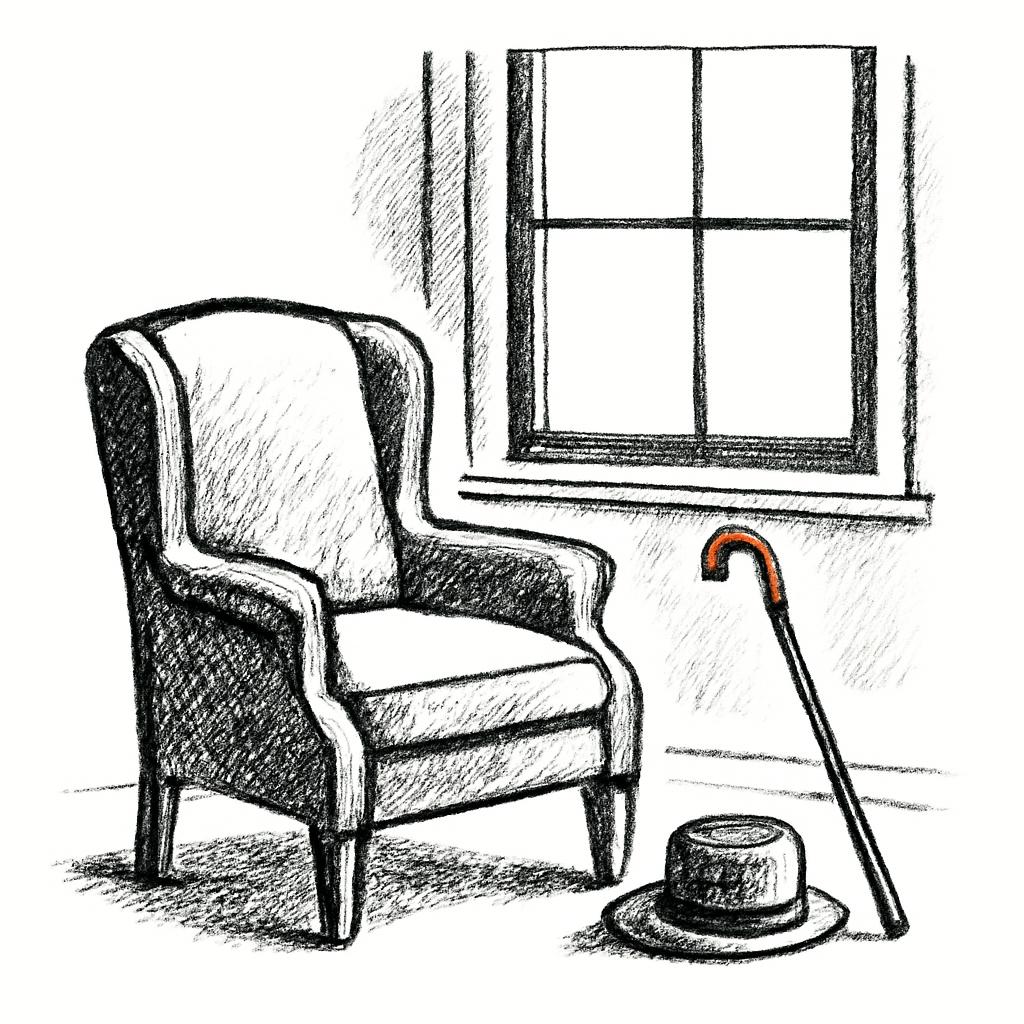
Munger's variant on a famous Buffett line: "the big money is not in the buying and selling, but in the waiting." It's the patience principle, made physical.
The argument has two parts. First, transaction costs (fees, taxes, mistakes) compound against you with every action. Doing nothing is the cheapest move. Second, great opportunities are rare. They show up irregularly. If you're constantly trading, you'll be out of position when one actually arrives.
The right strategy is to sit on your hands most of the time, watching, learning, building cash and skills, and then act decisively when a rare attractive opportunity shows up. This is the same shape as the lion (see [lion-vs-cow]) but applied specifically to capital allocation and major life decisions.
The hard part isn't the patience itself. It's the social pressure. Sitting on your hands looks lazy from the outside. Active managers who are doing nothing look like they're underperforming. Founders who aren't shipping look like they're stalled. The whole environment is biased toward activity.
The discipline is comfort with inactivity when there's nothing worth doing. This is one of the rarest skills in business. Most operators, given a quiet moment, will manufacture activity. Munger's rule is to resist this. Save your firepower for when it'll actually matter.
Examples in the wild
Most strategic acquisitions made during quiet years end up being mediocre because the buyer felt they should be doing something. The acquisitions made during distressed cycles (when nobody else is buying) often define the next decade.
Buffett claims he's made all of his money on about 12 decisions. The other 60+ years were spent waiting and learning. Most active funds underperform because they trade too much. Inactivity is the alpha.
Career moves often have a similar shape. Two or three well-timed moves over a 30-year career matter more than constant low-level optimising. Knowing when to stay still is half the skill.
Sit-on-your-hands patience is one of the mental models we apply through real cases inside the Pareto MBA — a part-time program for professionals who want to think clearly about business.