The too-hard pile
Most problems should be deliberately declined. Competitive advantage often comes from the discipline of not playing.
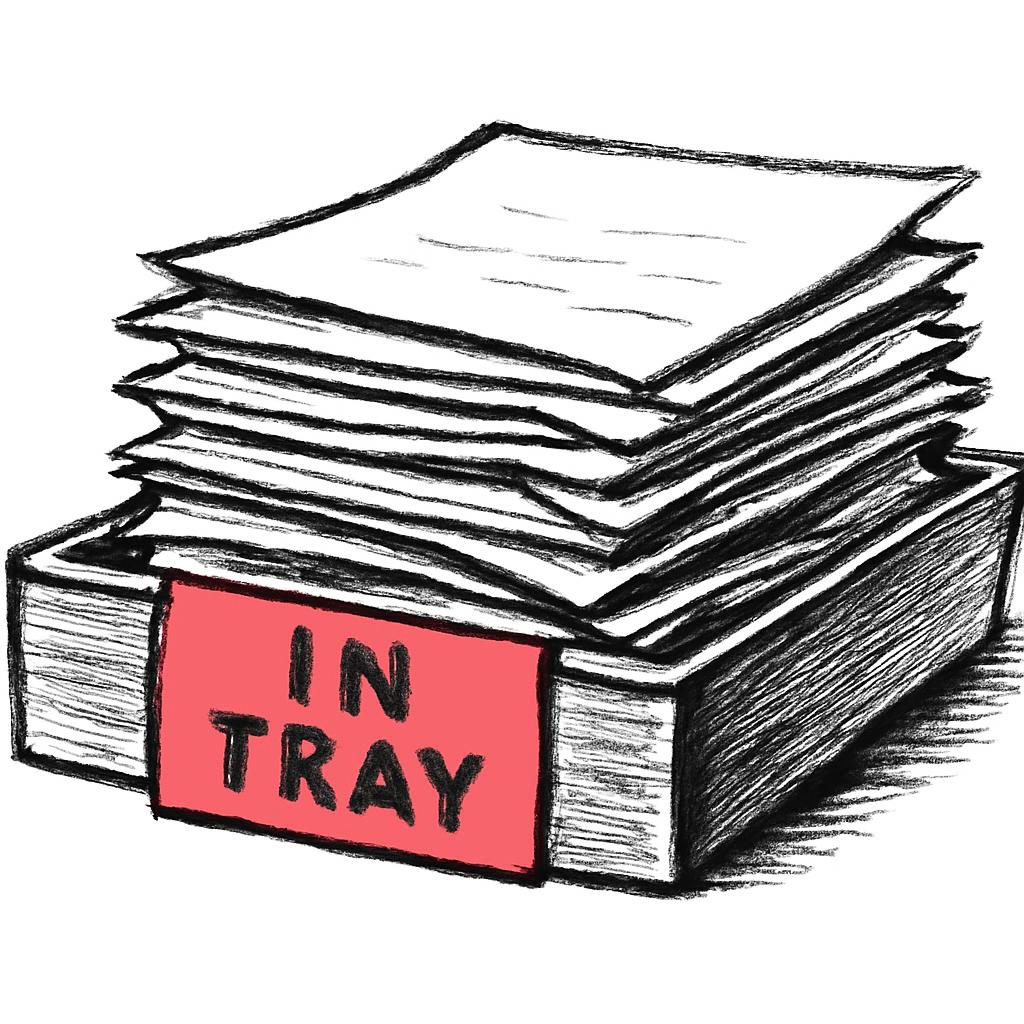
Buffett and Munger keep a literal physical "too hard" pile on their desks. When a decision comes in that they can't analyse clearly, doesn't fit their circle of competence, or simply isn't compelling enough, it goes into the too-hard pile. They don't try harder. They just don't play.
This sounds passive. It's actually one of the highest-leverage operating principles in the Munger toolkit. Most decisions, including most that look attractive, don't repay the analysis cost or the risk of being wrong. Saying "no" or "I don't know" is the right answer for the majority of decisions you'll face in life.
The hard part is emotional. Saying "I'm not smart enough to figure this out" feels like admitting weakness. Saying "I don't have a strong view" feels like dereliction. Saying "let's pass" feels like missing out.
Munger's frame: competitive advantage comes as much from not playing the games you can't win as from winning the games you do play. The portfolio of "no's" matters as much as the portfolio of "yes's."
For operators, the practical application is to be visibly comfortable saying "this is in the too-hard pile" rather than performing analysis you don't actually believe. Most professional cultures punish this; the cultures where it's normalised produce better long-run decisions.
Examples in the wild
Companies that try to compete in every adjacent market dilute their best work. The ones that explicitly decline to play (Apple in low-end consumer, Costco in regular retail) often dominate where they do compete.
Most investment opportunities should be passed on. Buffett claims he's made his fortune on a handful of decisions over 60 years. The rest were too-hard or unattractive. He passed.
Most career and life decisions improve when you're willing to say "I don't know enough to decide that" instead of pretending. Especially on questions where the cost of being wrong is high.
The too-hard pile is one of the mental models we apply through real cases inside the Pareto MBA — a part-time program for professionals who want to think clearly about business.