Working like a lion, not a cow
Wait for the right opportunity, then sprint. Don't graze.
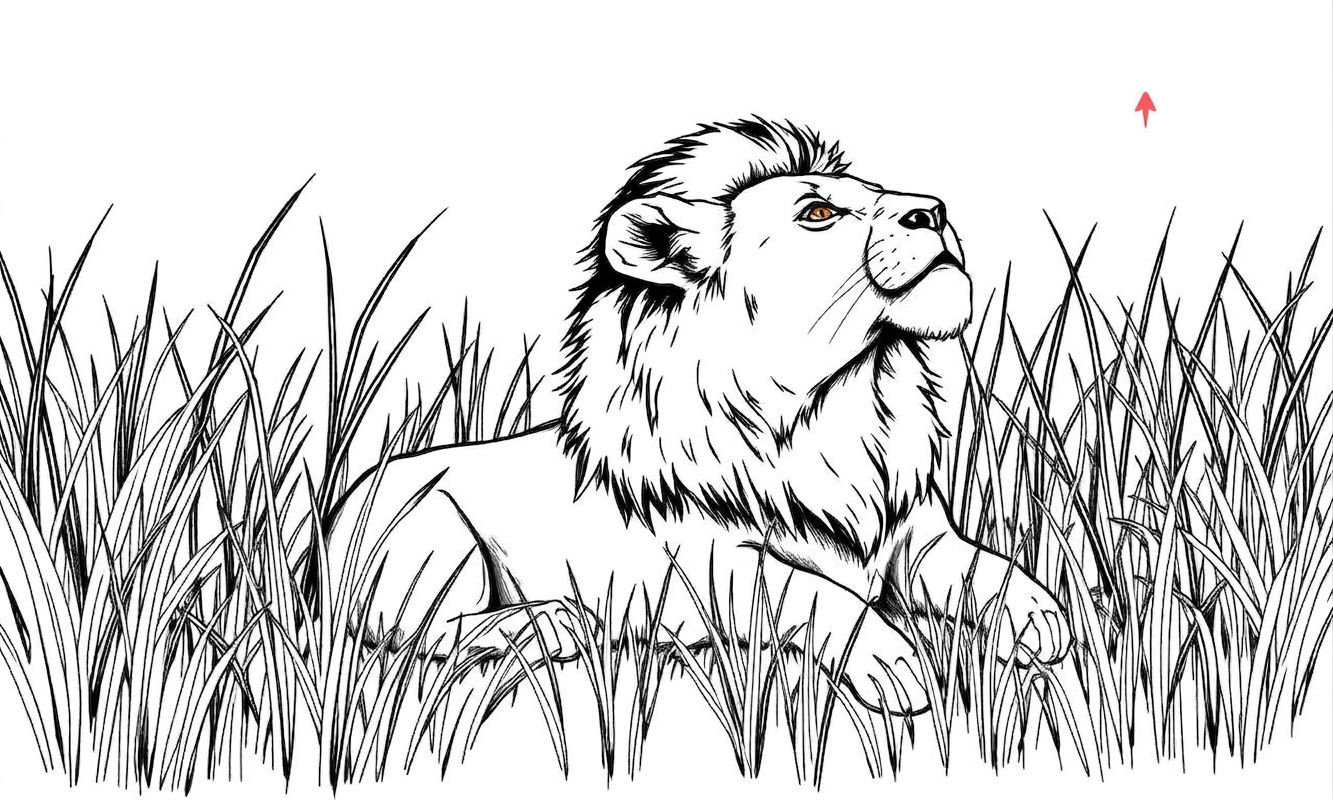
- Wait for the right opportunity, then sprint. Don't graze.
- Operating: Some salespeople make 80% of their annual quota on 2 deals.
- Investing: Warren Buffett has said he's made all his money on about 12 decisions over 60 years.
- Everyday life: Writing the year-end strategy memo.
Naval Ravikant put it well: "I'd rather work as a lion for an hour than a cow for a week."
Cows graze 8 hours a day. Small steady amounts, constantly. Lions sleep 20 hours, then sprint at maximum intensity for 10 minutes to take down a buffalo. Then they eat for a week.
Most modern knowledge work runs on cow logic. Sit at a desk 8 hours, do a bit of email, a few meetings, a slow steady output. We've decided that being at work means working. So we're at work, and so we feel productive.
The returns to knowledge work don't actually follow cow logic. They follow lion logic. One hour of clear, focused thinking at the right moment beats 100 hours of background busyness. The salesperson who closes one whale beats the salesperson who works 200 small accounts. The investor who makes one great call beats the investor who's constantly adjusting positions.
This is hard to internalise because lion-style work looks lazy from the outside. The lion lying in the grass isn't visibly doing anything. The cow chewing constantly looks committed.
Three practical implications.
First, protect blocks of high-intensity time. Two uninterrupted hours on the right problem beats two weeks of 30-minute slots. Calendar fragmentation is the enemy.
Second, recover honestly. Lions can sprint because they actually rest. Cows can graze because grazing is low-effort. If you're trying to sprint and graze at the same time, you'll do both badly. Real downtime makes the sprints possible.
Third, choose the right buffalo. Most "what should I work on?" questions are really "what buffalo is worth a sprint?" If you can't identify a buffalo, don't sprint. Wait. Read. Watch. The right one will show up.
A useful test: at the end of the year, what's the thing you'll remember doing? Most of us would struggle to name 5 things we did this week. The lion remembers the buffalo for months.
Examples in the wild
Some salespeople make 80% of their annual quota on 2 deals. The lion approach is to focus all energy on the 5 right whale prospects. The cow approach is to dial every name in the CRM, hit activity quotas, and end the year having done a lot of nothing.
Warren Buffett has said he's made all his money on about 12 decisions over 60 years. Long stretches of doing nothing, then occasional massive concentrated bets. Buffett is a lion. Most fund managers are cows.
Writing the year-end strategy memo. Cow approach: 30 minutes a day for a month, distracted, never quite finished. Lion approach: block 2 full days, no other commitments, finish it in one sprint while it's fresh.
Working like a lion, not a cow is one of the mental models we apply through real cases inside the Pareto MBA — a part-time program for professionals who want to think clearly about business.