Reward and punishment superresponse
Show me the incentive and I'll show you the outcome. Never underestimate this.
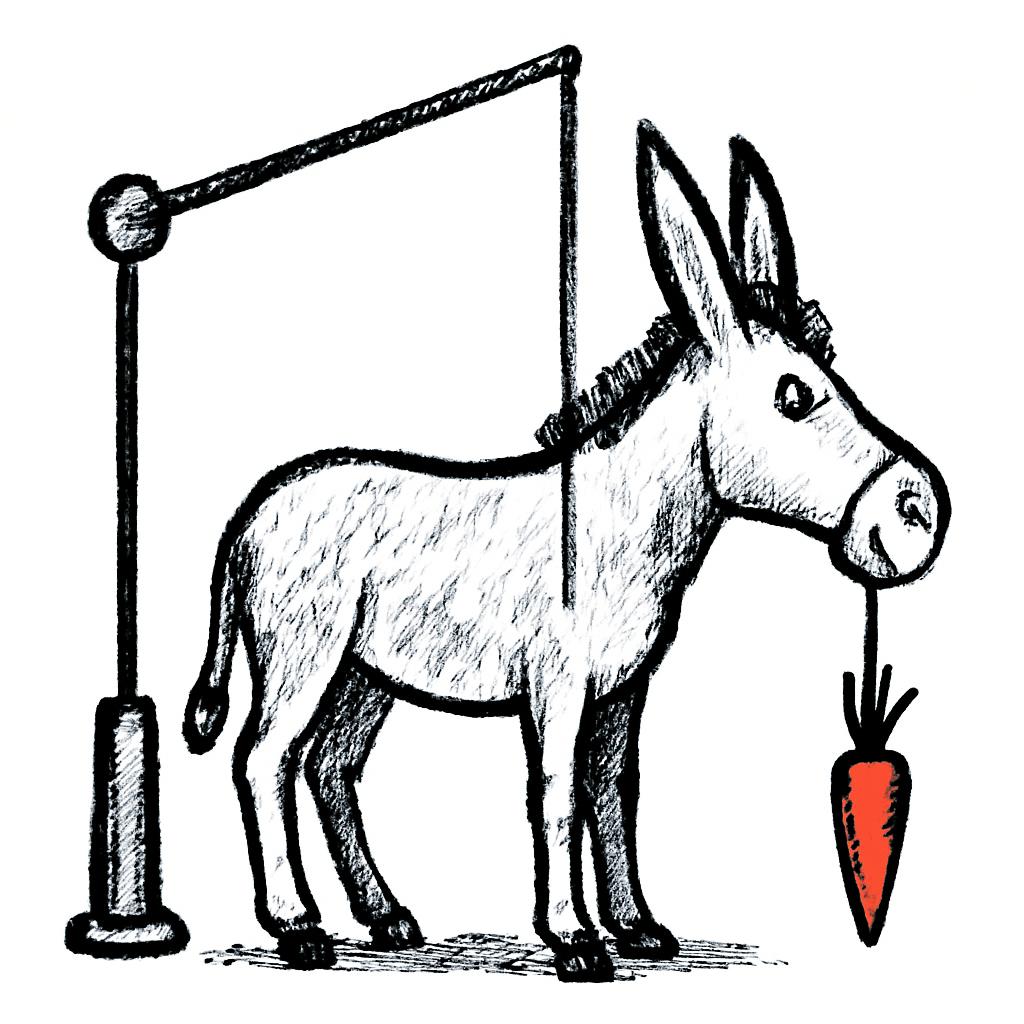
Munger calls this the master tendency. Behaviour responds to incentives more powerfully and more reliably than most managers expect. If your incentive system rewards X, you will get X, even if you also tell people loudly to do Y instead.
The corollary is brutal: most behaviour in any organisation is explained by the incentive structure, not by the stated goals. The CEO can give a speech about quality every Monday. If the bonus formula rewards units shipped, units will be shipped at the expense of quality.
The discipline is to design incentives carefully and audit what they actually reward. Look at what your top performers are doing. If it's not what you wanted, the incentives are off. Trying to change behaviour through speeches while the incentives stay misaligned almost never works.
Examples in the wild
Wells Fargo employees opened 3.5M+ fake accounts because the incentive said open accounts. The CEO's speeches about ethics had no chance against the bonus structure.
Most fund manager underperformance traces to incentive structure: paid on assets under management, not on returns. You get more AUM-grabbing, less return-generating.
Your own habits respond to small daily incentives more than to your long-term goals. Hard to lose weight when junk food is in the cupboard and a gym is a 30-minute drive.
Reward and punishment superresponse is one of the mental models we apply through real cases inside the Pareto MBA — a part-time program for professionals who want to think clearly about business.