Biological incentives
All organisms repeat what gets rewarded. The deepest rule of behaviour.
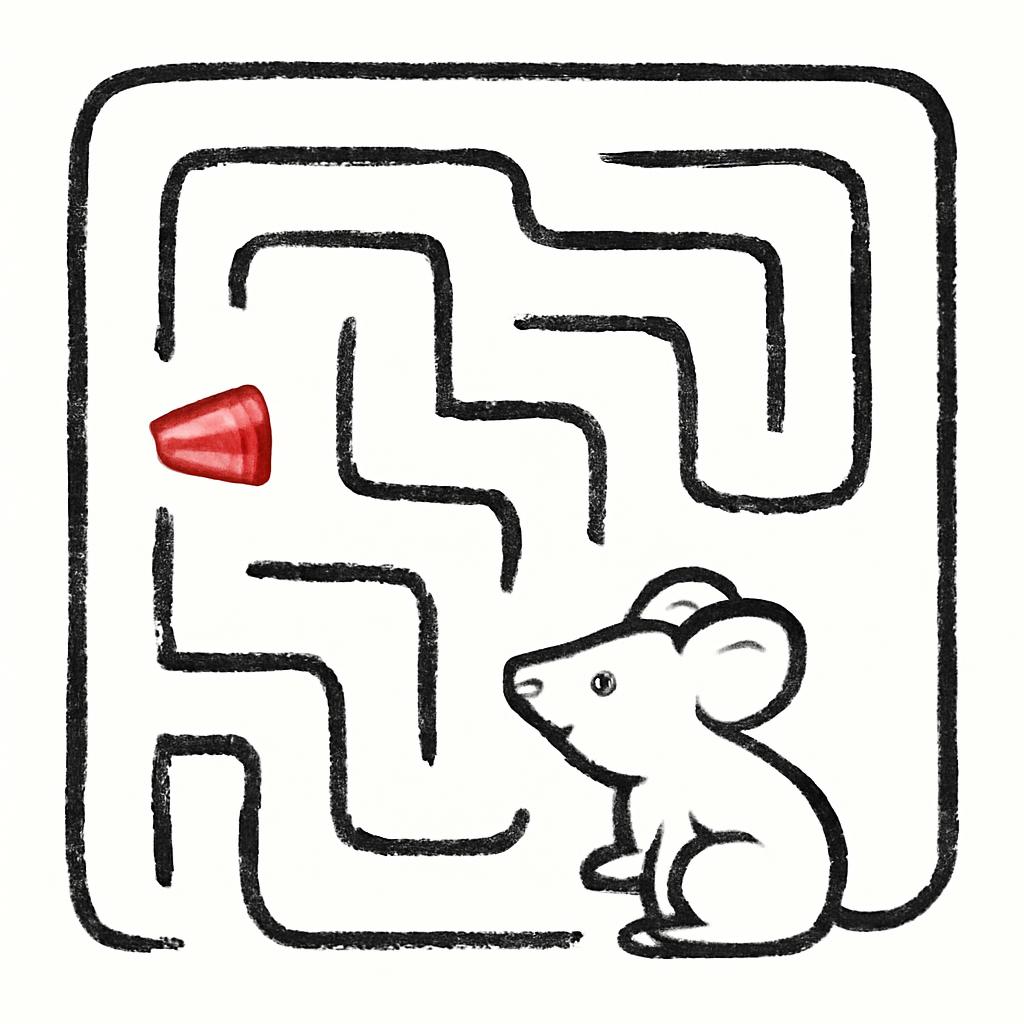
The most universal principle in biology: behaviours that are rewarded get repeated; behaviours that aren't, don't. The mechanism is everywhere from single-celled organisms following chemical gradients to humans optimising their careers.
For operators, the implication is that incentive systems are doing most of the work in any organisation, whether you designed them or not. The behaviours you see are the behaviours that are being rewarded. If you don't like the behaviours, the incentives aren't aligned with what you say you want.
This is the biological version of Munger's master tendency (see [reward-punishment-superresponse]). The reason it's listed separately in biology is to remind operators that the principle is much deeper than corporate incentive design. It's how living systems work at every scale.
Examples in the wild
When team behaviour drifts away from stated goals, the incentives almost always explain it. Speeches and values posters can't override what's being rewarded daily.
Animal behaviour studies are surprisingly useful for thinking about market behaviour. Both are populations responding to incentive gradients.
Habits respond to rewards on a roughly 24-hour cycle. Habits that produce a small immediate reward stick. Habits whose rewards are delayed (saving, exercise) fight the biology of reinforcement.
Biological incentives is one of the mental models we apply through real cases inside the Pareto MBA — a part-time program for professionals who want to think clearly about business.