Evolution by natural selection
Random variation + differential survival + heredity → adaptation.
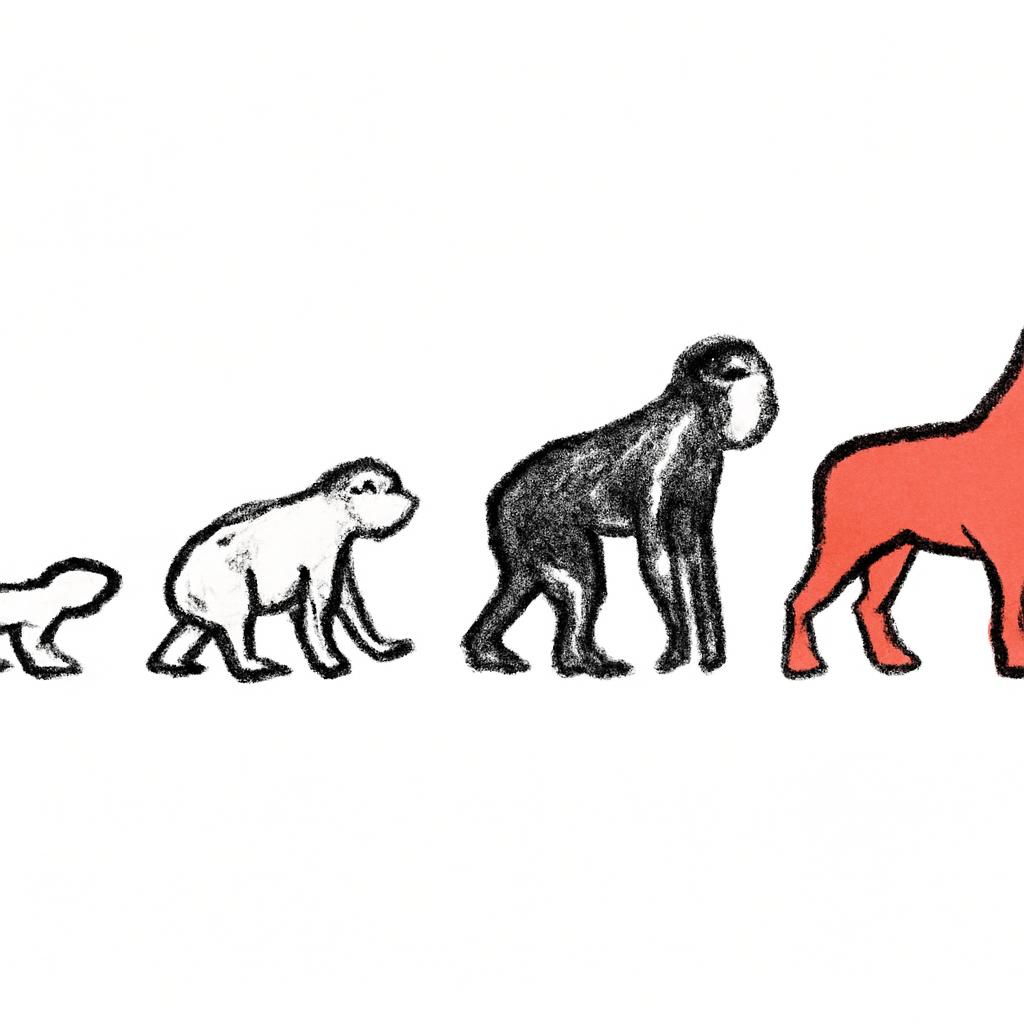
Darwin's and Wallace's idea is the most powerful explanatory framework in science. Three ingredients combine to produce all the complexity of life: 1. Variation (offspring differ from parents) 2. Selection (some variants survive and reproduce better) 3. Heredity (the surviving variations get passed on)
Repeat over enough generations and you get whales from land mammals, eyes from light-sensitive cells, and the staggering biodiversity of life on earth.
The framework applies to far more than biology. Cultural evolution. Technology evolution. Business strategy. The companies, products, and practices that exist today are those that survived. The graveyard of failed ones is invisible (see [survivorship-bias]).
For operators, the lens matters because most stable organisations are the result of decades of selection. The practices that look strange often persist because they've survived selection for reasons that aren't obvious.
Examples in the wild
Industry practices that seem irrational often persist because they've survived selection. Before changing them, understand what they're solving (see [chestertons-fence]).
Surviving companies are the result of decades of selection. Long-lasting companies usually have moats that aren't obvious from the income statement.
Cultural traditions persisted because they conferred some survival benefit, even if the original reason has been forgotten. Worth understanding before discarding.
Evolution by natural selection is one of the mental models we apply through real cases inside the Pareto MBA — a part-time program for professionals who want to think clearly about business.