Fat tails
Distributions where extreme events are more common and more consequential than the bell curve admits.
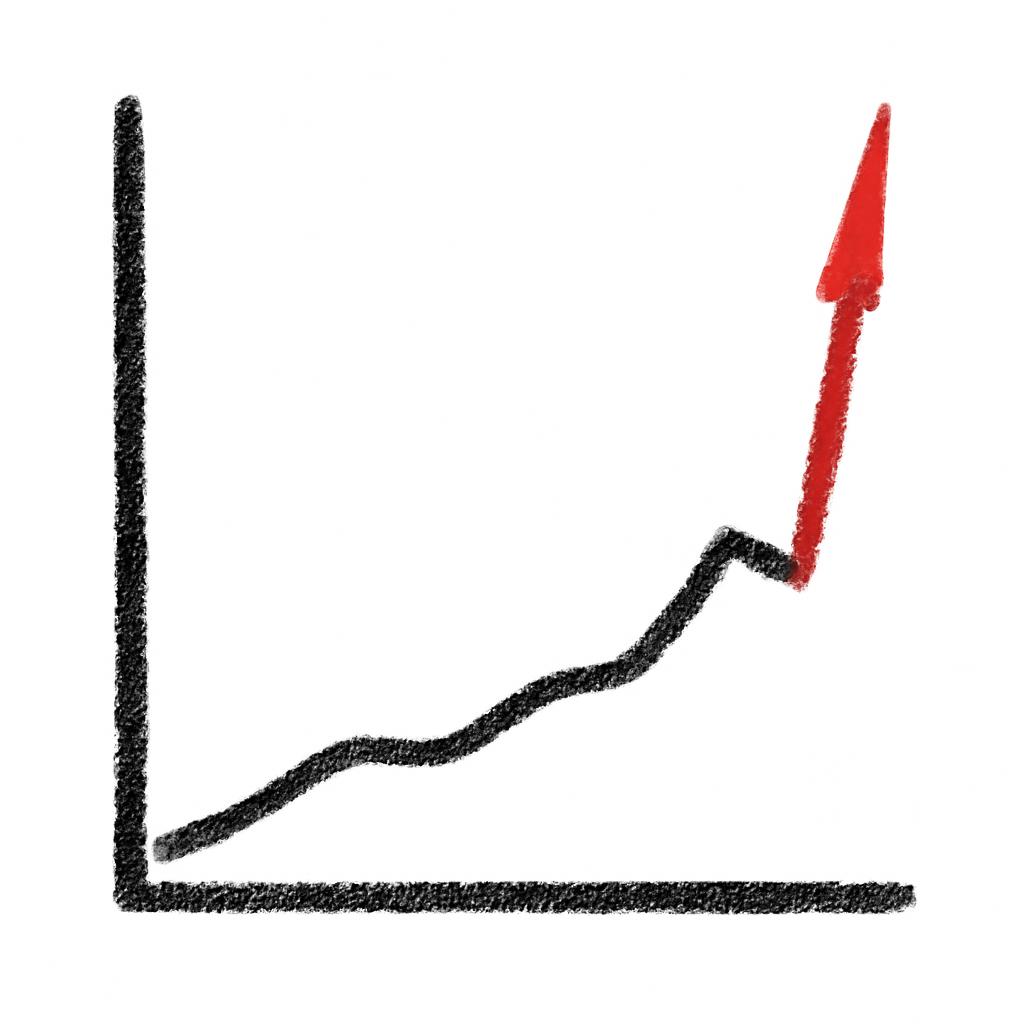
A fat-tailed distribution is one where the extremes (the "tails") carry much more weight than they would in a normal distribution. Single observations can dominate the average. The variance is often infinite. Standard statistics misbehave.
Most consequential things in business and finance are fat-tailed. Market returns. Customer lifetime values. Insurance claims. Disease outbreaks. Book sales. Going to war. If you assume normal distributions for any of these, you'll systematically under-prepare for the few events that actually drive most of the outcomes.
Nassim Taleb is the most prominent advocate for taking fat tails seriously. His point: most of the bad outcomes you'll experience in life and work come from fat-tailed distributions that look harmless until they don't.
For operators, the practical version: when you suspect fat tails, don't rely on averages. Plan for the worst-case observation, not the mean.
Examples in the wild
Cybersecurity losses are fat-tailed. Most companies will have no major incident in any given year. A few will have catastrophic ones. Insurance underwriting that uses normal distributions consistently underprices the catastrophic case.
Stock returns are fat-tailed. A few days in a decade produce most of the gains and losses. Missing the best days hurts returns enormously, but so does being exposed on the worst days.
Health outcomes are fat-tailed. Most years require no medical event. A few include catastrophic ones. Insurance and savings exist exactly because the distribution doesn't admit "average" planning.
Fat tails is one of the mental models we apply through real cases inside the Pareto MBA — a part-time program for professionals who want to think clearly about business.