Creative destruction
Capitalism continuously destroys incumbents to make room for the new.
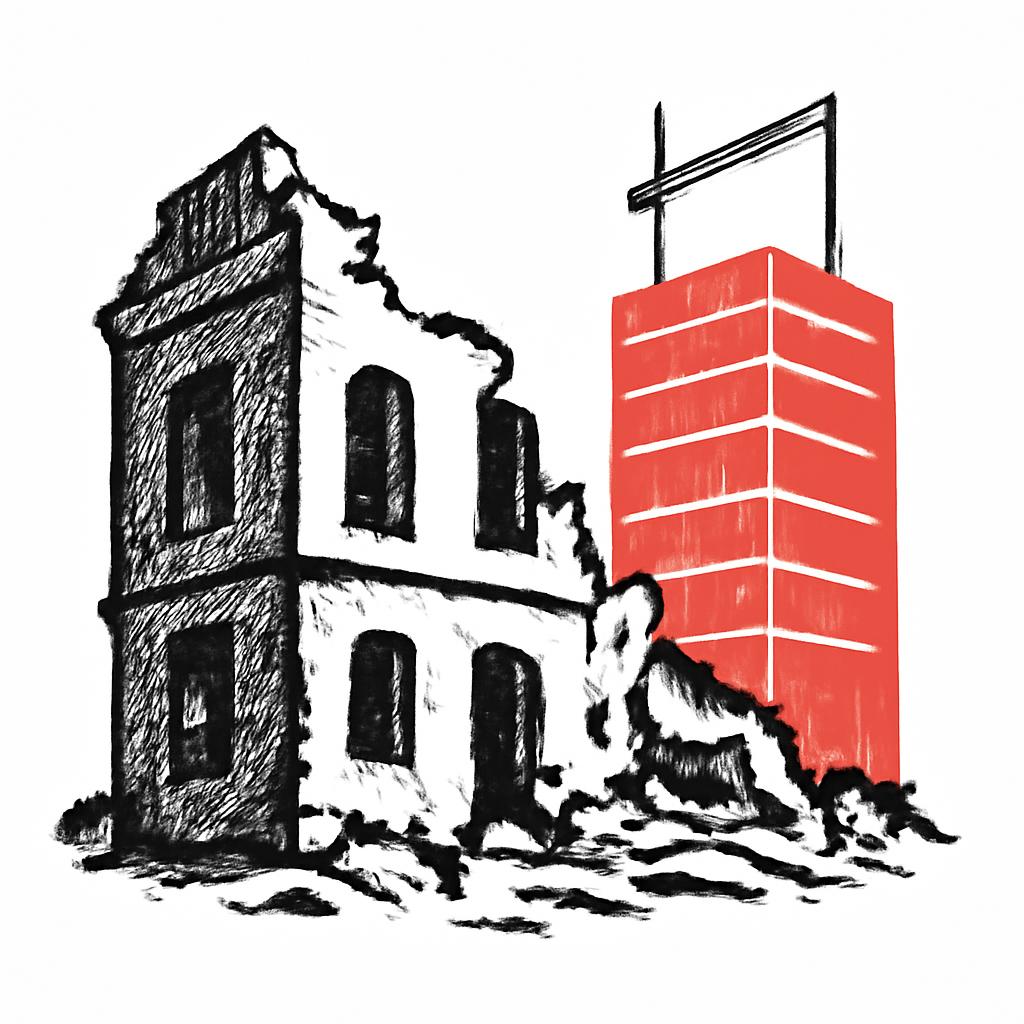
Joseph Schumpeter's 1942 description of how capitalism actually works. New firms with better products or methods displace older ones. Workers move from declining industries to growing ones. The destruction is creative because what replaces the old is more productive.
The principle is observably correct: most of the largest companies of 1950 are gone, most of today's largest didn't exist in 1980. The disruption is uncomfortable but necessary; without it, productivity gains stop and living standards stagnate.
For operators, creative destruction is a warning and a permission. The warning: don't assume your business is permanent. The permission: it's okay to destroy your own product to build a better one. Apple destroyed the iPod with the iPhone. Most companies couldn't have done that.
Examples in the wild
Companies that don't disrupt themselves get disrupted by someone else. Apple's willingness to cannibalise the iPod was rare; most incumbents protect declining products too long.
The S&P 500 of 1980 contained roughly half of the companies in the 2020 version. The other half were destroyed and replaced. Long-run investors who buy the index ride the creative destruction; those who pick favourites fight it.
Careers undergo creative destruction too. Skills made obsolete by technology have to be replaced or abandoned. The personal version of Schumpeter is to keep learning.
Creative destruction is one of the mental models we apply through real cases inside the Pareto MBA — a part-time program for professionals who want to think clearly about business.