Baumol's cost disease
Wages rise in low-productivity sectors because they compete for labour with high-productivity ones.
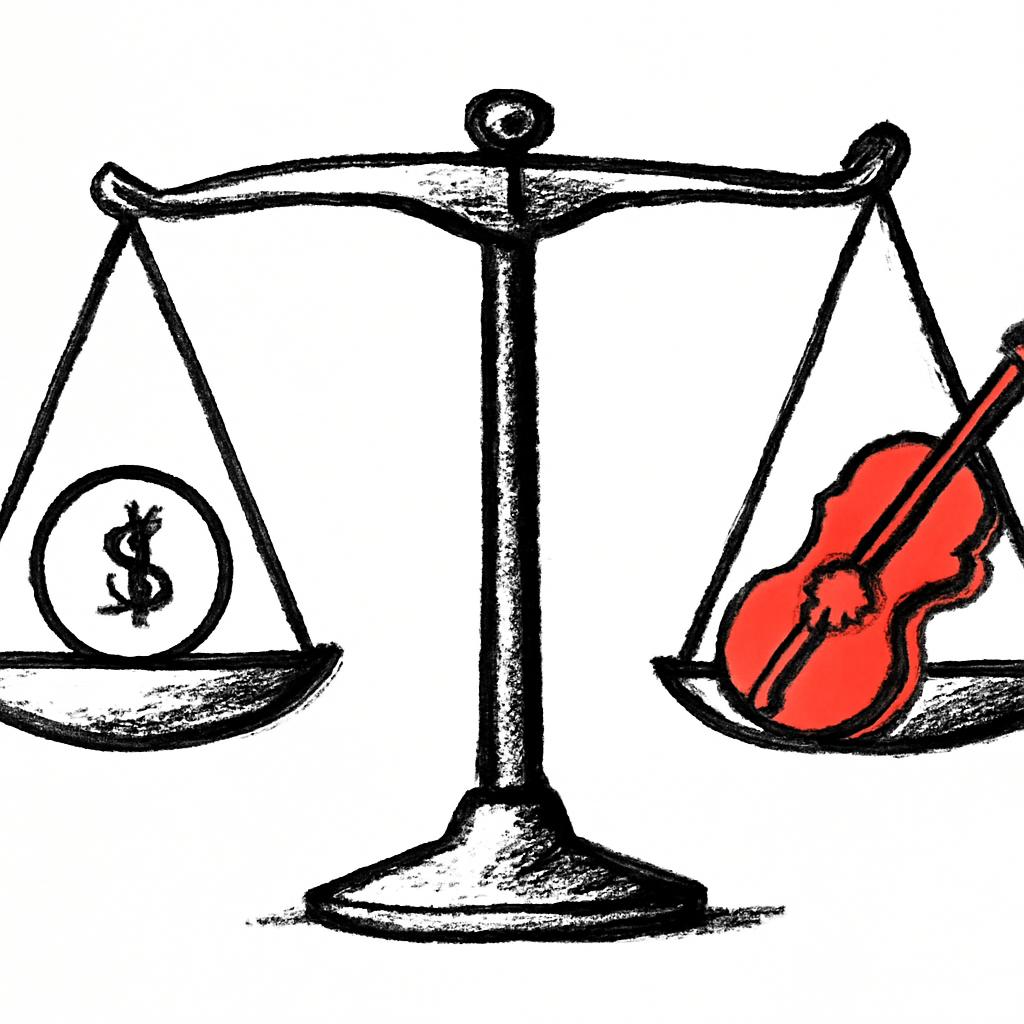
William Baumol, 1960s. The puzzle: live music, healthcare, and education have all gotten dramatically more expensive over decades, despite no productivity improvement. A string quartet performs Beethoven in 2020 with the same labour as in 1820. Yet musicians' wages have risen with the rest of the economy.
The mechanism: those workers could be doing something else where productivity does rise. To keep them in low-productivity sectors, their wages have to rise too. Costs in those sectors balloon without any quality gain.
For operators, the implication is that any high-touch service business will see costs rise faster than its physical-goods peers. The mechanism is wage competition, not internal inefficiency.
Examples in the wild
High-end consulting, premium hospitality, and craftsman trades all see costs rise faster than goods. The labour competition explains it more than the businesses' own choices.
Healthcare and education as investment sectors have to be analysed with Baumol's disease in mind. The cost trajectory is partly inevitable.
If you pay for in-person services (childcare, eldercare, music lessons), expect them to rise faster than goods inflation. The Baumol dynamic is built in.
Baumol's cost disease is one of the mental models we apply through real cases inside the Pareto MBA — a part-time program for professionals who want to think clearly about business.