Marginal utility
The value of the next unit varies. Usually diminishes, occasionally jumps.
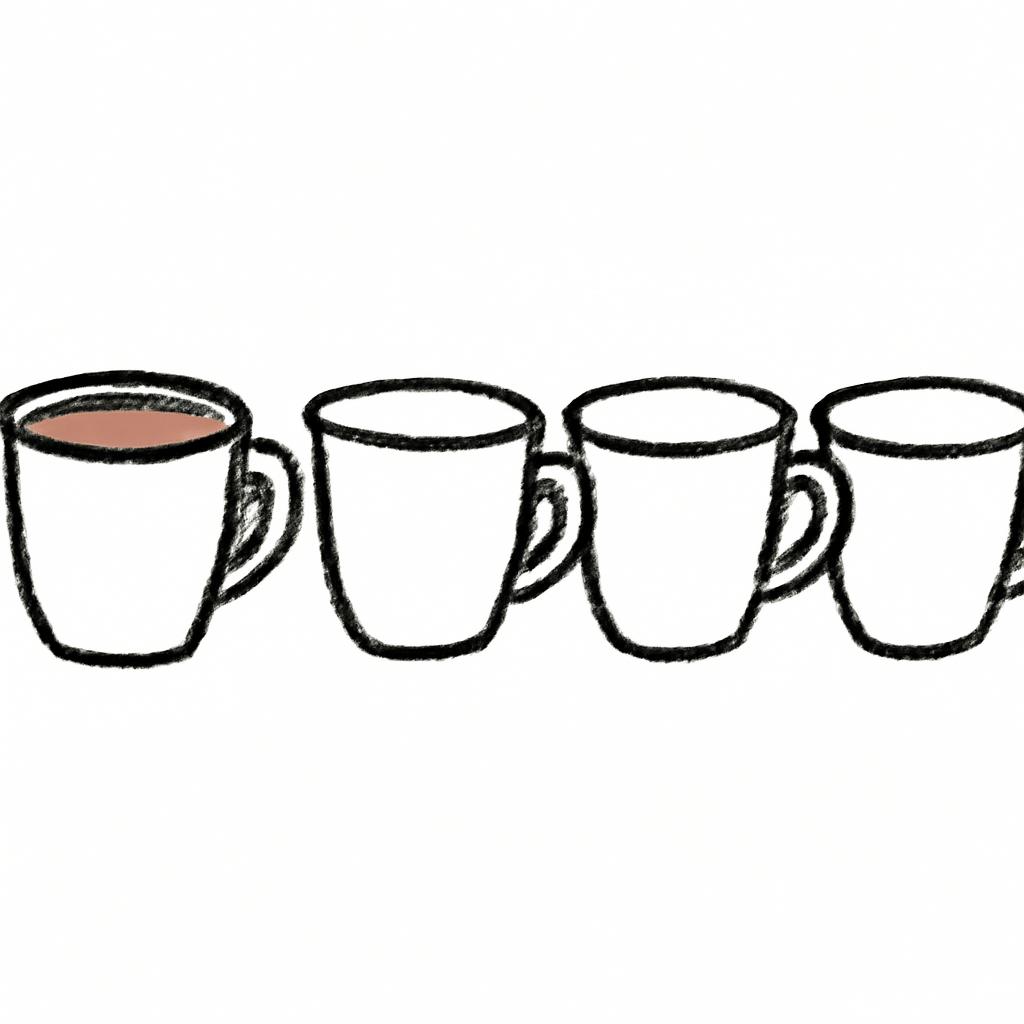
The first glass of water to a thirsty person is enormously valuable. The fifth is moderately useful. The fifteenth might literally kill them. Marginal utility (the value of the next unit) usually diminishes with quantity, but not always.
For operators, the principle applies to most decisions about "more" or "less" of anything. The marginal hire, the marginal feature, the marginal dollar of spend. Each has its own value, separate from the average value of what's already there. Usually it's diminishing; occasionally it jumps (the engineer who unlocks a previously stuck team).
The discipline is to think about decisions at the margin, not in averages. "On average, our salespeople produce X" is less useful than "the marginal salesperson would produce Y if we hired one."
Examples in the wild
Most hiring decisions go better when framed as marginal. The 51st engineer produces less marginal value than the 5th, even though the average remains high. Knowing the curve prevents over-hiring.
Diversification has diminishing marginal utility. The 30th stock adds almost nothing to risk reduction. Past a point, you're just adding complexity.
Income has diminishing marginal utility for happiness, but the effect varies wildly. Going from $30k to $70k changes life dramatically. Going from $300k to $700k less so.
Marginal utility is one of the mental models we apply through real cases inside the Pareto MBA — a part-time program for professionals who want to think clearly about business.