Adverse selection
When one side has hidden information, the bad risks crowd in.
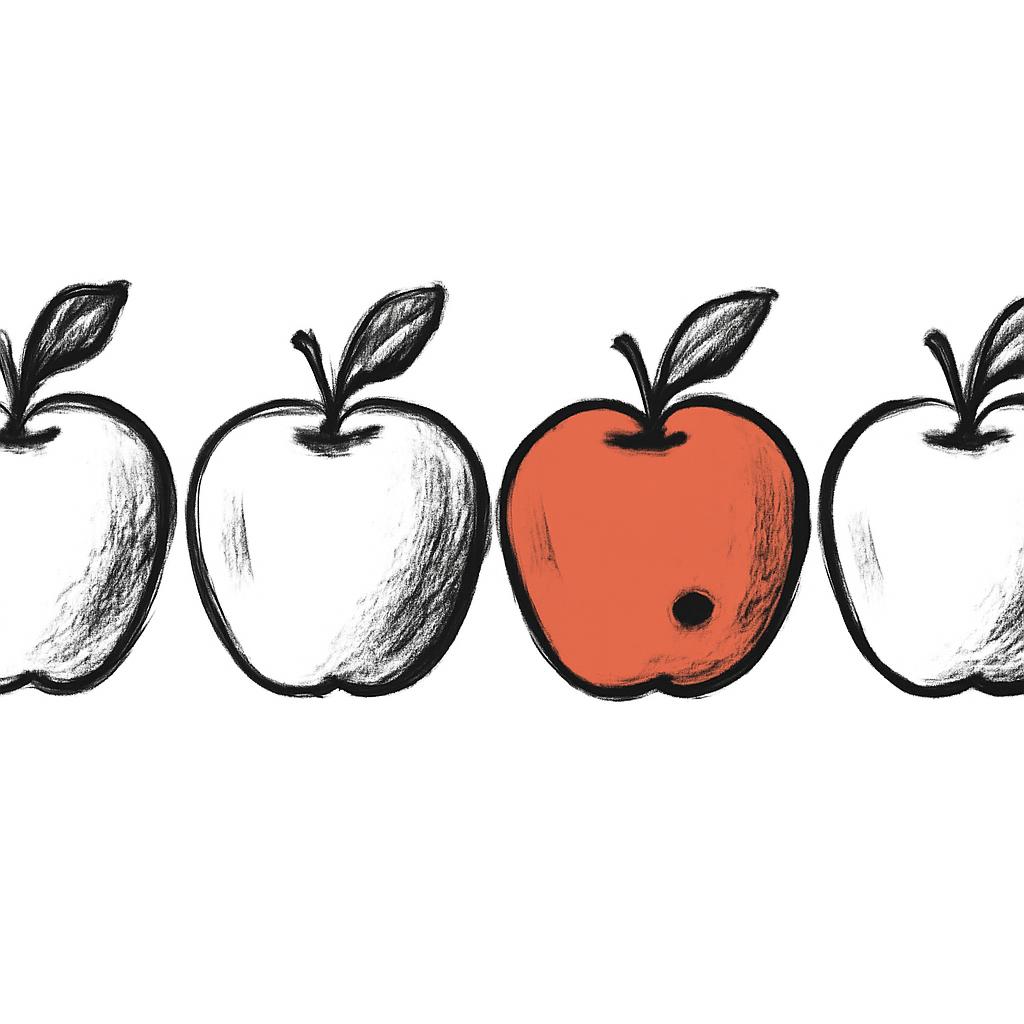
George Akerlof's market-for-lemons paper. Used car market: sellers know whether their car is good or bad. Buyers don't. Buyers offer a price that reflects average quality. Sellers of good cars (worth more than average) won't accept that price; they leave the market. Sellers of bad cars (worth less than average) stay. The remaining cars are worse than average. The market gradually collapses.
The pattern shows up in any market with hidden quality. Insurance (sick people buy more insurance). Used products. Hiring (struggling employees apply more often). Lending (riskier borrowers seek higher leverage).
For operators, the discipline is to recognise when you're a price-taker in a market with adverse selection and to either build verification (medical exams, credit checks, due diligence) or accept that the average quality of what you can buy is below the average quality of what exists.
Examples in the wild
Hiring for sensitive senior roles often involves adverse selection. The best candidates aren't on the market. The ones who are, are disproportionately those who couldn't make it elsewhere. Counterbalances (active recruiting, references) are necessary.
Deal flow that comes to investors often has adverse-selection problems. The best deals get done quietly with established investors. What's broadly shopped is what couldn't sell.
Online dating has adverse selection dynamics. People who are good at relationships often aren't on the apps; people who are bad at them are. The pool is non-random.
Adverse selection is one of the mental models we apply through real cases inside the Pareto MBA — a part-time program for professionals who want to think clearly about business.