Stress-influence tendency
Stress amplifies other biases and can trigger sudden, irreversible behaviour change.
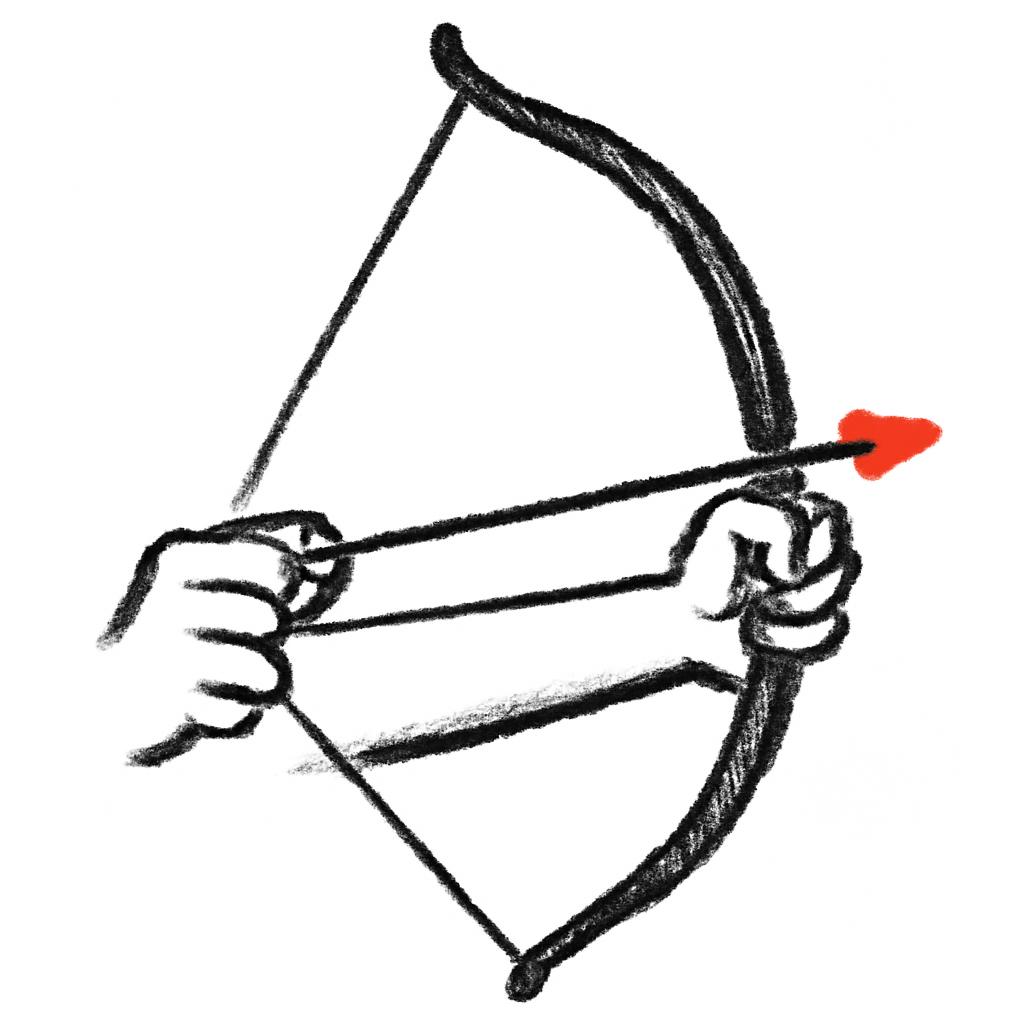
Under stress, all the other biases get worse. Doubt-avoidance accelerates. Social proof becomes more powerful. Reasoning shortens. Memory degrades. People reach for the most available answer rather than the right one. In extreme cases, sudden behaviour changes occur that look completely out of character (the Pavlovian breakdown).
For operators, the implication is that the worst time to make important decisions is when you're under stress. Cash crisis. Big customer threatening to leave. Public scandal. The pressure feels like it requires quick decisions. It actually requires slower, more careful ones, made by someone less stressed if possible.
The defence is structural: build checklists for stressful situations in advance (when you can think clearly), and use them when the moment arrives. Have people you trust outside the heat of the moment to call. Slow the clock if at all possible.
Examples in the wild
Most catastrophic management decisions are made in the first 48 hours of a crisis. The decisions don't get reviewed because the stress made them feel inevitable at the time.
Market crashes produce massive realised losses because investors sell at the bottom under stress. The same investors had calm written rules about not selling. The stress overrode the rules.
Things you say in an argument at 11pm rarely look like things you'd have said at 11am. The stress is the variable.
Stress-influence tendency is one of the mental models we apply through real cases inside the Pareto MBA — a part-time program for professionals who want to think clearly about business.