Probabilistic thinking
Assign odds rather than treat outcomes as certain or binary.
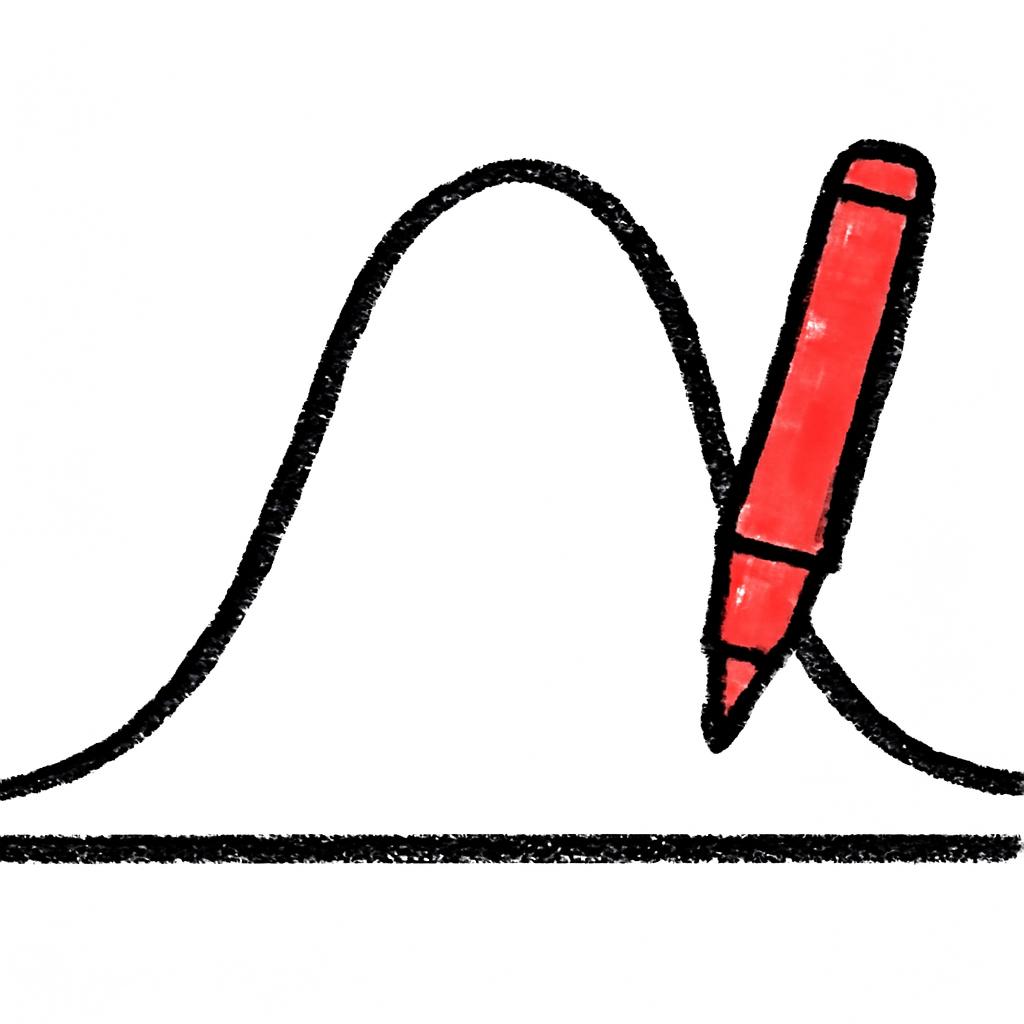
Most decisions feel binary in the moment (we win, we lose; it works, it doesn't). Probabilistic thinking is the discipline of thinking in distributions instead. What's the 10/50/90 case? Not just the most likely outcome but the range, and the rough odds along that range.
The mode change matters because the world is mostly probabilistic, but humans default to a yes/no frame. The same problem treated yes/no produces overconfidence and brittle plans. Treated probabilistically, it produces calibrated bets, margin of safety, and the right kind of preparation for the cases that aren't the central one.
For operators, the practical question is: "what does the distribution of outcomes look like, and how would I act if I knew that distribution?" That replaces the question "what's going to happen?" which is usually unanswerable anyway.
Examples in the wild
Most strategic plans assume one future and break under any other. Replacing "we will hit $50M revenue" with "there's roughly a 50% chance of $35-65M" produces very different operational decisions.
Annie Duke's book "Thinking in Bets" is essentially a long argument for replacing binary decisions with probability-weighted ones. The poker pros she draws from outperform civilians on most decision problems for exactly this reason.
Estimated arrival times are better as "45 to 60 minutes" than as a single number. The honest range beats the false precision.
Probabilistic thinking is one of the mental models we apply through real cases inside the Pareto MBA — a part-time program for professionals who want to think clearly about business.