Permutations and combinations
The basic arithmetic of how many ways things can happen.
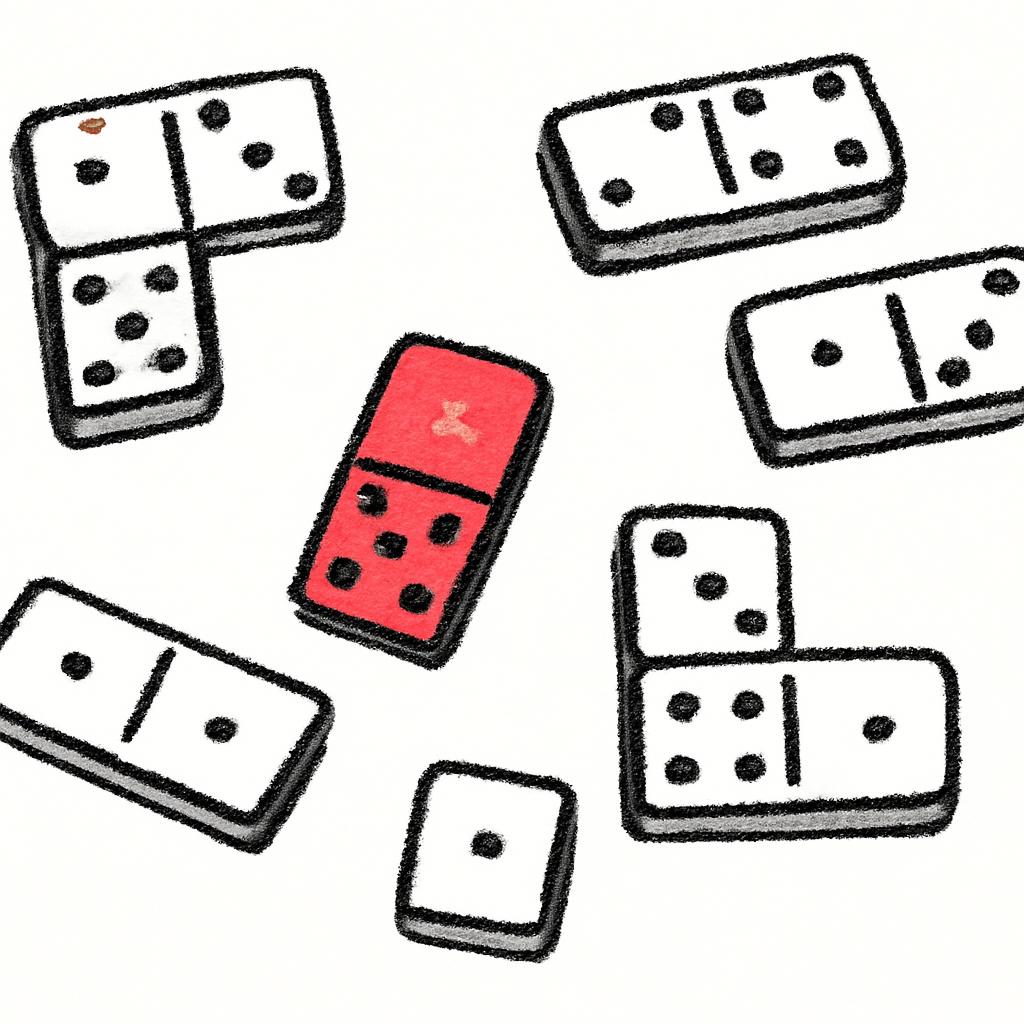
How many ways are there to arrange n things? How many ways to pick k of them? These are the foundational counting problems of probability, and getting them right matters for any honest estimate of how likely something is.
The intuition most people start with is wildly wrong. People underestimate the number of possible combinations in card games, in passwords, in scheduling problems, in genetic crosses. The exponentials run fast.
For operators, the practical version is: when assessing how unlikely something is, count the actual possibilities, not the convenient few you can think of. Most coincidences seem stunning until you do the arithmetic of how many opportunities there were for some coincidence to occur.
Examples in the wild
A team of 20 has roughly 190 possible pairs. Suspecting that two specific people had to have collaborated is easy. Suspecting that some pair, somewhere, would collaborate suspiciously is much weaker once you count the pairs.
With thousands of stocks and dozens of metrics, the number of "signals" that will appear to predict the market by pure chance is enormous. Counting the haystack of possibilities deflates most apparent edges.
Birthday paradox: in a room of 23 people, the chance that two share a birthday is about 50%. People are stunned. They underestimated the number of possible pairs.
Permutations and combinations is one of the mental models we apply through real cases inside the Pareto MBA — a part-time program for professionals who want to think clearly about business.