Naive interventionism
The compulsion to do something. Suppressing small volatility stores up catastrophic releases.
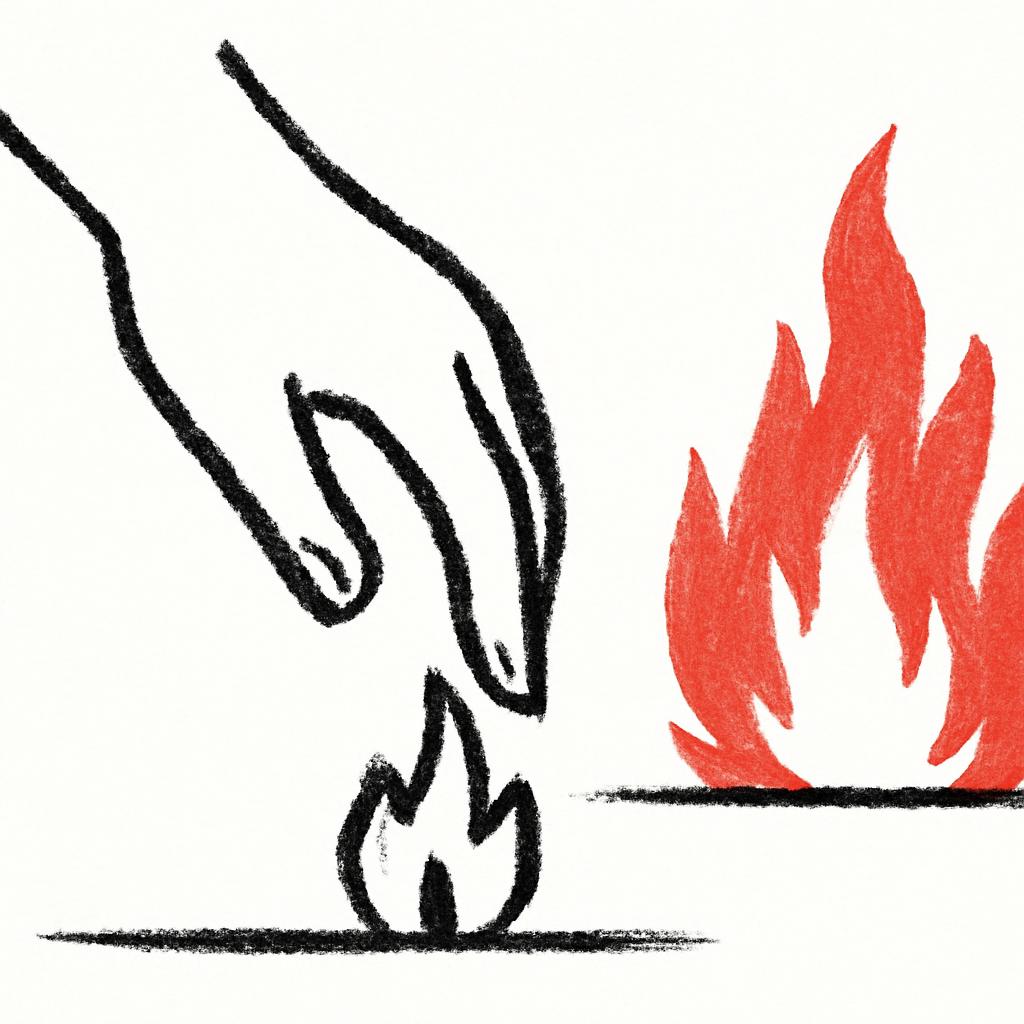
The pattern: a system fluctuates naturally; the intervener tries to smooth out the small fluctuations; the suppressed energy accumulates and eventually releases catastrophically. Suppressing small forest fires creates conditions for the megafire. Bailing out small bank failures creates conditions for the systemic crisis.
The bias comes from social pressure to be seen doing something. Managers who let the small problems play themselves out look passive. Managers who intervene every time look active. Over long enough periods, the passive ones often produce better outcomes.
For operators, the discipline is to ask, before intervening: "is this volatility actually a problem, or is it just discomfort?" If the latter, suppression usually makes things worse over time.
Examples in the wild
Companies that intervene in every minor team conflict often produce worse cultures than ones that let people work it out. The interventions accumulate and undermine the team's own conflict-resolution capability.
Investors who can't stand small daily losses end up paying frictional costs for protection that doesn't pay back. The naive-intervention urge costs more than the volatility itself.
Parents who never let their kids be uncomfortable produce kids who can't handle real discomfort later. The suppression of small problems creates larger ones.
Naive interventionism is one of the mental models we apply through real cases inside the Pareto MBA — a part-time program for professionals who want to think clearly about business.