The green lumber fallacy
Mistaking knowledge that looks relevant for knowledge that actually produces results.
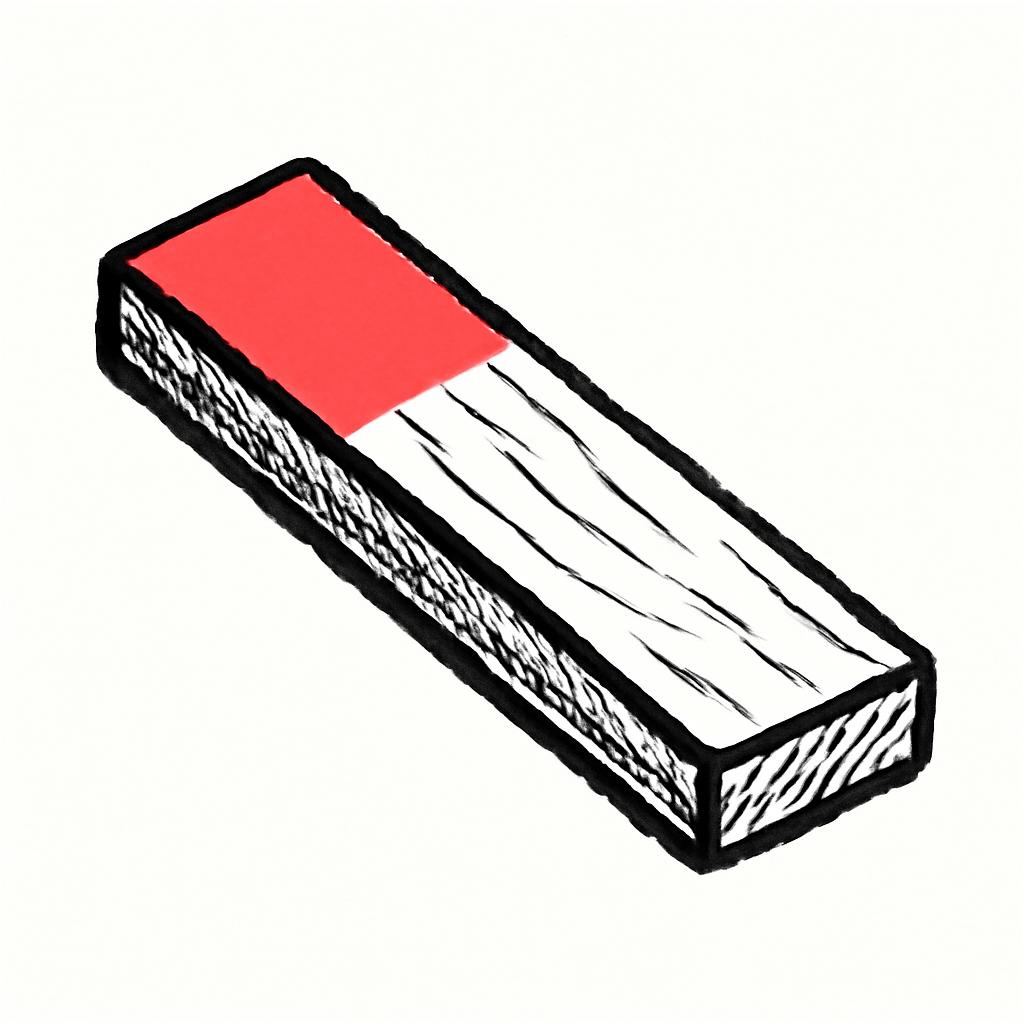
A trader made fortunes trading "green lumber" while believing it was lumber that had been painted green. (Green lumber is freshly cut, undried lumber.) His knowledge of the product was completely wrong; his actual trading edge had nothing to do with what the substance actually was.
The lesson: the knowledge that matters for performing well in a domain is often not the knowledge that looks relevant from outside. Operators who run businesses well often can't articulate management theory. Investors who outperform often have less academic finance training than those who underperform.
The flip side is the danger of credentialed expertise: people who know the theory but can't perform may be much worse than people who can't articulate the theory but perform well.
Examples in the wild
Many of the most effective managers can't pass a basic management theory test. The skills they have are tacit, not propositional.
Buffett has admitted he doesn't use sophisticated financial models. The knowledge he uses (qualitative judgment about businesses and people) doesn't look like finance from outside.
Some of the best parents can't articulate child psychology. Some who can articulate it parent poorly. Knowing about isn't the same as doing well.
The green lumber fallacy is one of the mental models we apply through real cases inside the Pareto MBA — a part-time program for professionals who want to think clearly about business.