The Dunning-Kruger effect
The least competent overestimate their competence most. The skill to do is the skill to evaluate.
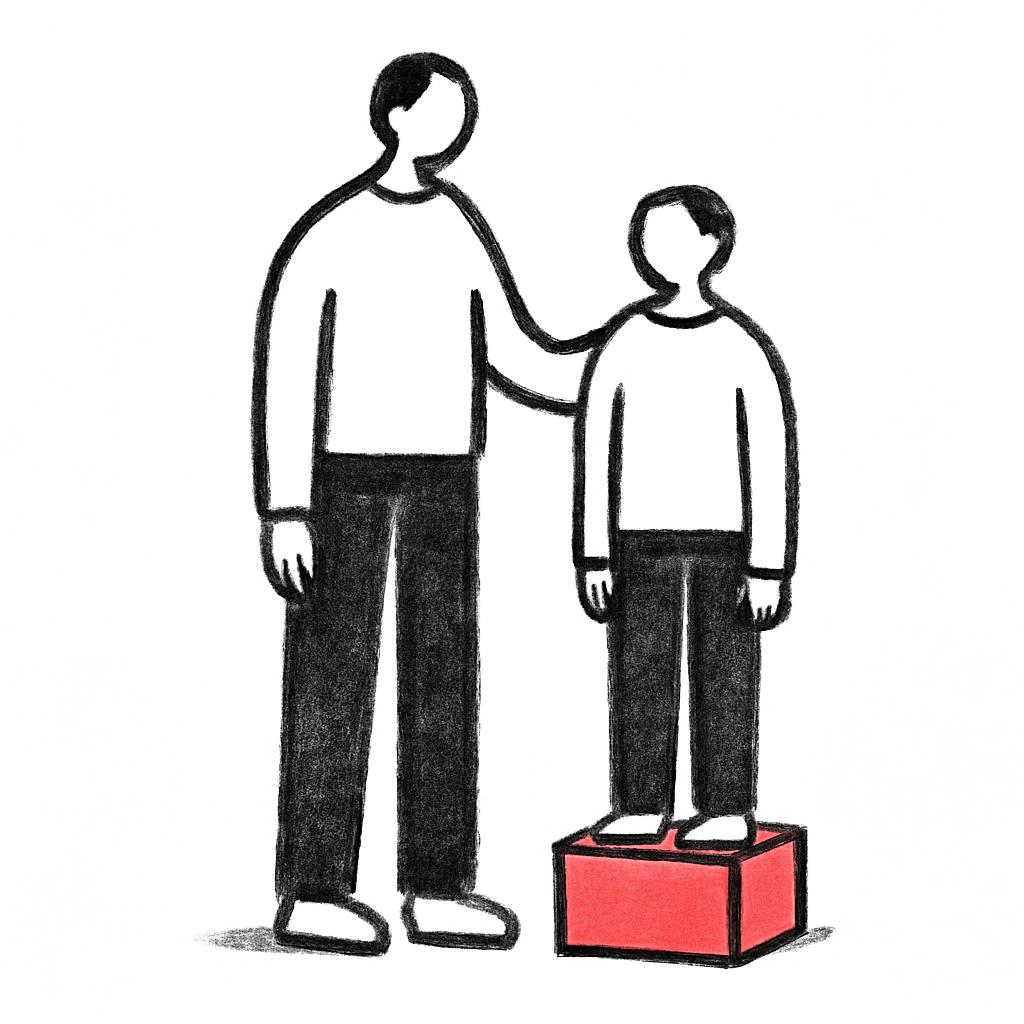
David Dunning and Justin Kruger, 1999. Their finding: people who score in the lowest quartile on tests of logic, grammar, and humour rate their own performance in the top half. People who score in the top quartile rate themselves more accurately or slightly below.
The mechanism: the skill required to perform a task is the same skill required to evaluate performance on it. People who don't have the skill don't have the meta-skill to recognise that they don't have it.
For operators, the implication is that you can't fully trust people's self-assessment of their capabilities. The most confident often have the least basis for the confidence. Track records, demonstrated outputs, and external evaluations matter more.
Examples in the wild
The new hire who's confident about their domain expertise often isn't the most expert one. The truly expert ones tend to qualify their answers and acknowledge limits.
Day traders' confidence about beating the market is famously uncorrelated with their actual returns. The confidence is a Dunning-Kruger signal.
Conversations where one person dominates with strong opinions about a topic often feature them being the least informed in the room. The signal is reliable enough to be useful.
The Dunning-Kruger effect is one of the mental models we apply through real cases inside the Pareto MBA — a part-time program for professionals who want to think clearly about business.