Double-entry bookkeeping
Every entry checked against a corresponding one. An error-catching discipline that made modern capitalism auditable.
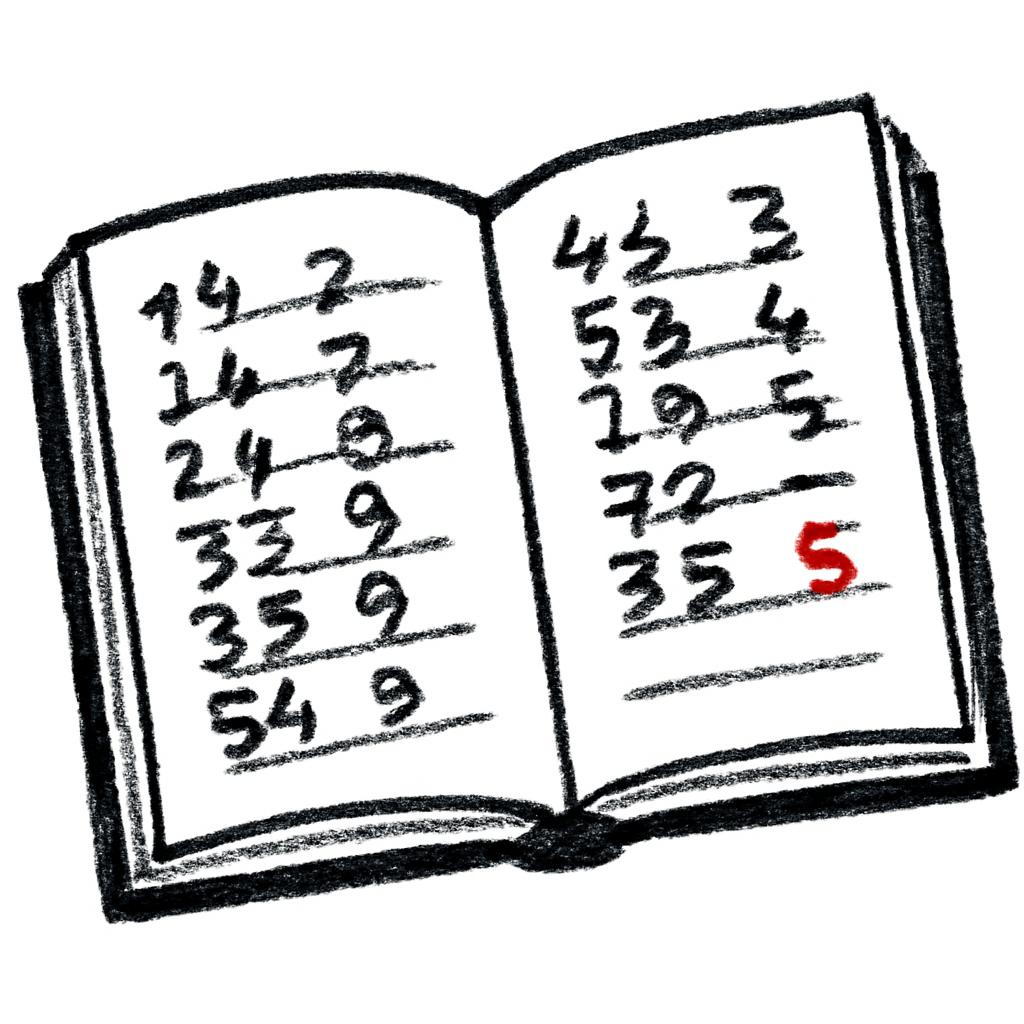
Invented (or formalised) in Genoa in the 14th century. Every transaction is recorded twice: as a debit somewhere and a credit somewhere else. The two sides must balance. If they don't, there's an error.
The system seems mundane. It's actually one of the most important social technologies ever invented. Without it, large-scale commerce, joint-stock companies, and modern accounting wouldn't exist. The discipline of error-checking transformed business from individual gut to auditable institution.
The deeper principle applies beyond accounting: any important system benefits from cross-checks. Two independent reviews. Two ways of measuring the same thing. Two paths to the same conclusion. If they don't agree, something is wrong, and you found it before it hurt you.
Examples in the wild
Most operational disasters had warning signs that would have been caught by simple cross-checks. Two unrelated metrics pointing the same way (margin and inventory days, customer satisfaction and churn) catch issues a single metric wouldn't.
Buffett's recommendation to read both the income statement and the cash flow statement is double-entry in spirit. If they tell different stories, dig deeper.
Independent reviews of important decisions (medical second opinions, fresh eyes on important contracts) catch errors that any single reviewer misses.
Double-entry bookkeeping is one of the mental models we apply through real cases inside the Pareto MBA — a part-time program for professionals who want to think clearly about business.