Contrast-misreaction tendency
We judge by contrast, not absolutes.
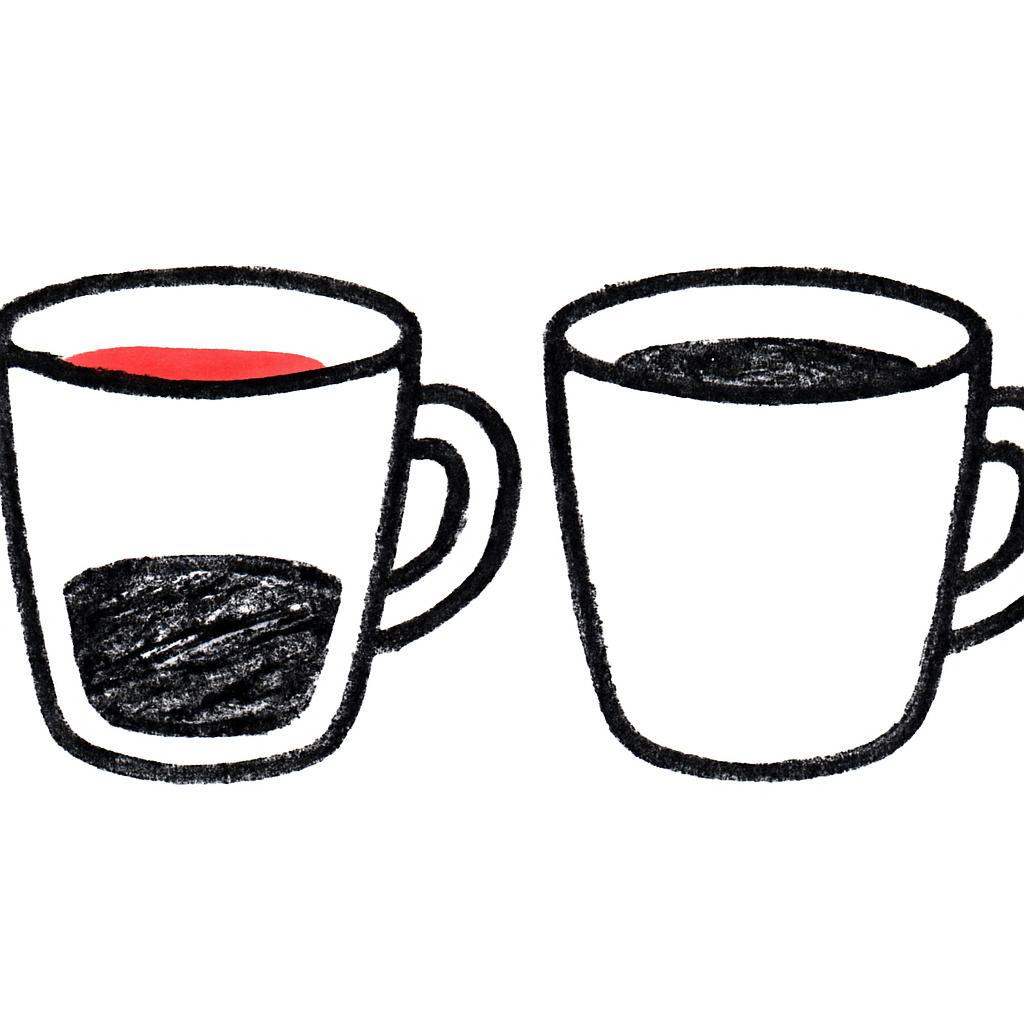
The realtor shows you a terrible house first, then the slightly less terrible one looks great. The frog in slowly heating water doesn't notice the temperature change because each moment looks like the last. We're wired to perceive change, not levels.
The bias has two operating consequences. First, framing matters enormously. The same product priced at $99 next to a $200 alternative looks cheap; alone it looks expensive. Second, slow-moving disasters are systematically under-noticed because each day is only slightly worse than the last.
For operators: when evaluating anything important (a candidate, a price, a strategic option), force yourself to assess it on absolute merit, not just relative to whatever you saw immediately before. And watch for slowly degrading situations that aren't triggering attention because each step is small.
Examples in the wild
Anchoring in salary negotiations is contrast in action. The first number stated sets the frame; everything else gets evaluated relative to it.
After a stock has dropped 80%, the next 40% drop looks like "only a bit further down," so people refuse to sell. They've anchored on the original price.
Lifestyle creep is contrast-driven. Each small upgrade looks fine relative to last month, but the absolute level is much higher than it was five years ago.
Contrast-misreaction tendency is one of the mental models we apply through real cases inside the Pareto MBA — a part-time program for professionals who want to think clearly about business.