Complex adaptive systems
Systems that observe and change themselves are fundamentally unpredictable, unlike weather.
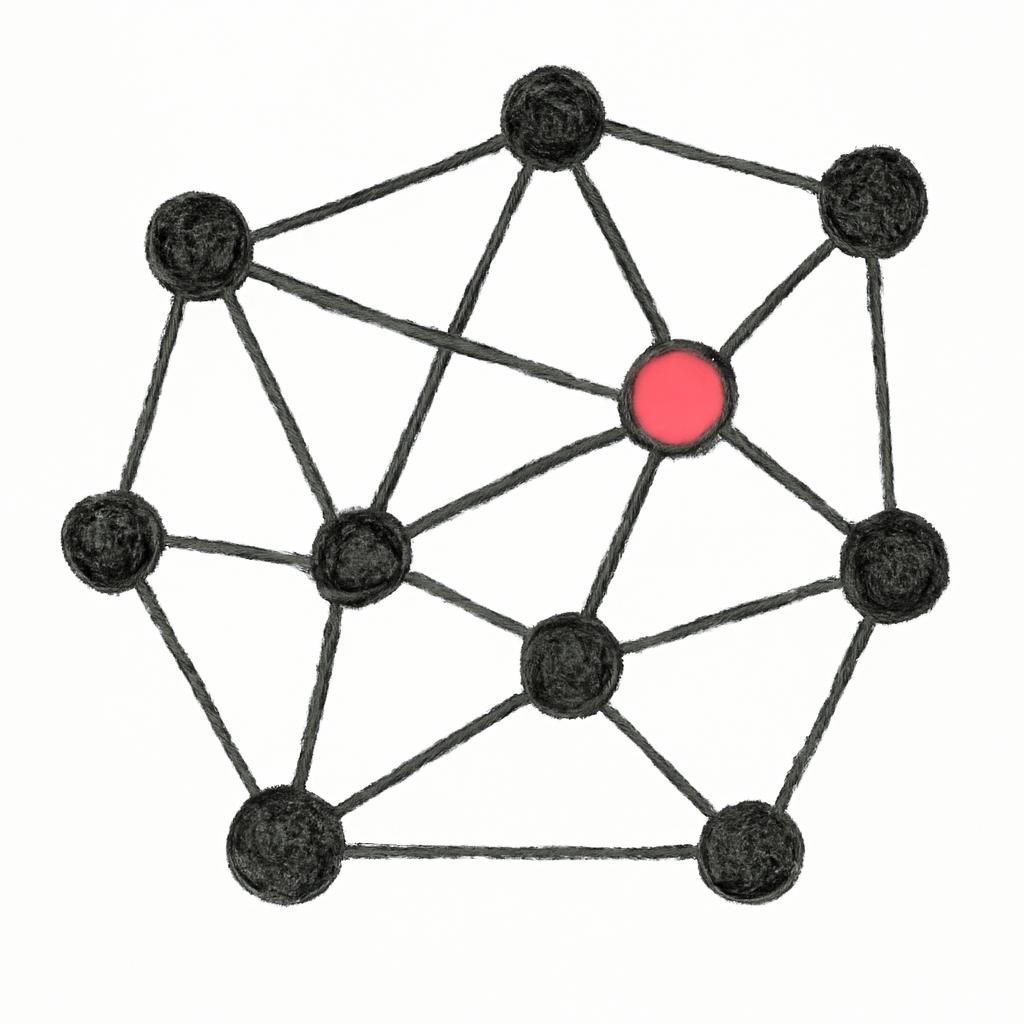
Weather is complex but doesn't watch you. Markets, organisations, and societies are complex AND adapt to your interventions. The participants observe the system (including your attempts to change it) and modify their behaviour accordingly.
This is what makes social systems uniquely hard to predict and engineer. Once you announce a new rule, people change their behaviour to game or work around it. Once you publish a successful strategy, competitors copy it and its edge erodes.
For operators, complex adaptive systems require different methods than simple complicated ones. You can't optimise a market the way you optimise a machine. You have to probe, sense, respond, and accept that the system will keep changing in response to you. See [cynefin-framework] for a fuller treatment.
Examples in the wild
Companies that try to optimise compensation through complex formulas keep finding employees gaming the formulas in new ways. The system adapts to the formula, requiring the formula to adapt to the system, indefinitely.
Any market edge that gets published gets competed away. The market is a complex adaptive system that incorporates information about itself, including information about what works.
Parenting is a complex adaptive system. Each new rule produces new teenage adaptations. The parents who succeed are usually those who accept the dynamic, not those who try to fix it once and for all.
Complex adaptive systems is one of the mental models we apply through real cases inside the Pareto MBA — a part-time program for professionals who want to think clearly about business.