Churn
A recurring loss rate that must be replaced before any net growth.
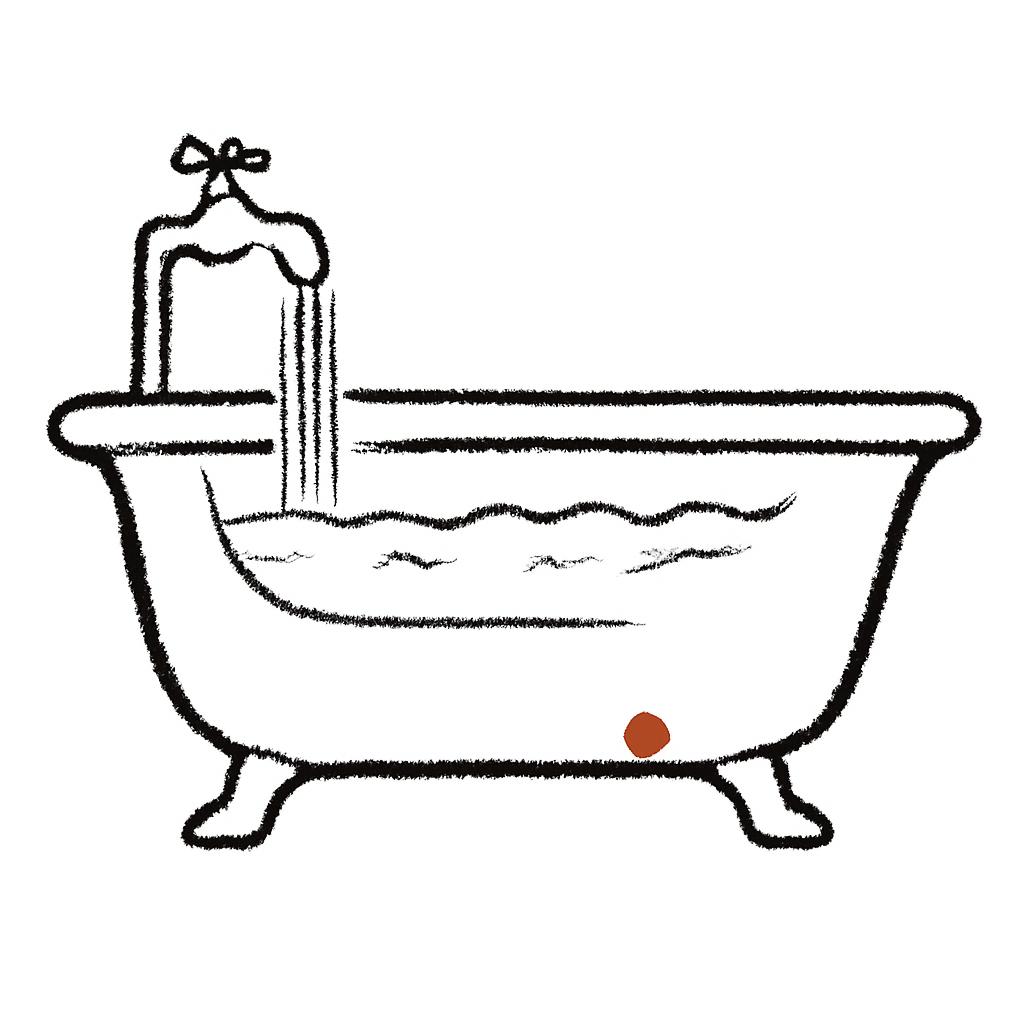
Churn is the rate at which something leaks away. Customers churn out of subscriptions. Employees churn out of teams. Cash churns out of bank accounts via expenses. The water in a leaky bathtub churns out via the drain.
The mechanic that matters: until you offset the churn, you're not growing. You're running just to stand still. A 5% monthly customer churn (60% annually) means more than half of new sales each year are replacing leavers. The growth math gets brutal.
For operators, three practical implications: 1. Always know your churn rate by category 2. Improving retention is usually higher leverage than acquiring new (lower churn means each new acquisition is more valuable) 3. Whatever you do to acquire, you must do faster than the churn
Examples in the wild
SaaS unit economics depend brutally on net revenue retention. A company with 130% net retention compounds upward without any new logos. A company with 80% has to grow new sales faster than the existing base shrinks.
When analysing any subscription business, the first question is churn. The second is whether the unit economics work after churn. Almost everything else is downstream of those two.
Personal energy churns. Sleep deficits, stress, poor food. Maintaining your baseline requires replenishment as fast as the drain. Most burnouts are silent churn problems.
Churn is one of the mental models we apply through real cases inside the Pareto MBA — a part-time program for professionals who want to think clearly about business.