Authority-misinfluence tendency
We obey authority reflexively. The co-pilot who lets the captain crash.
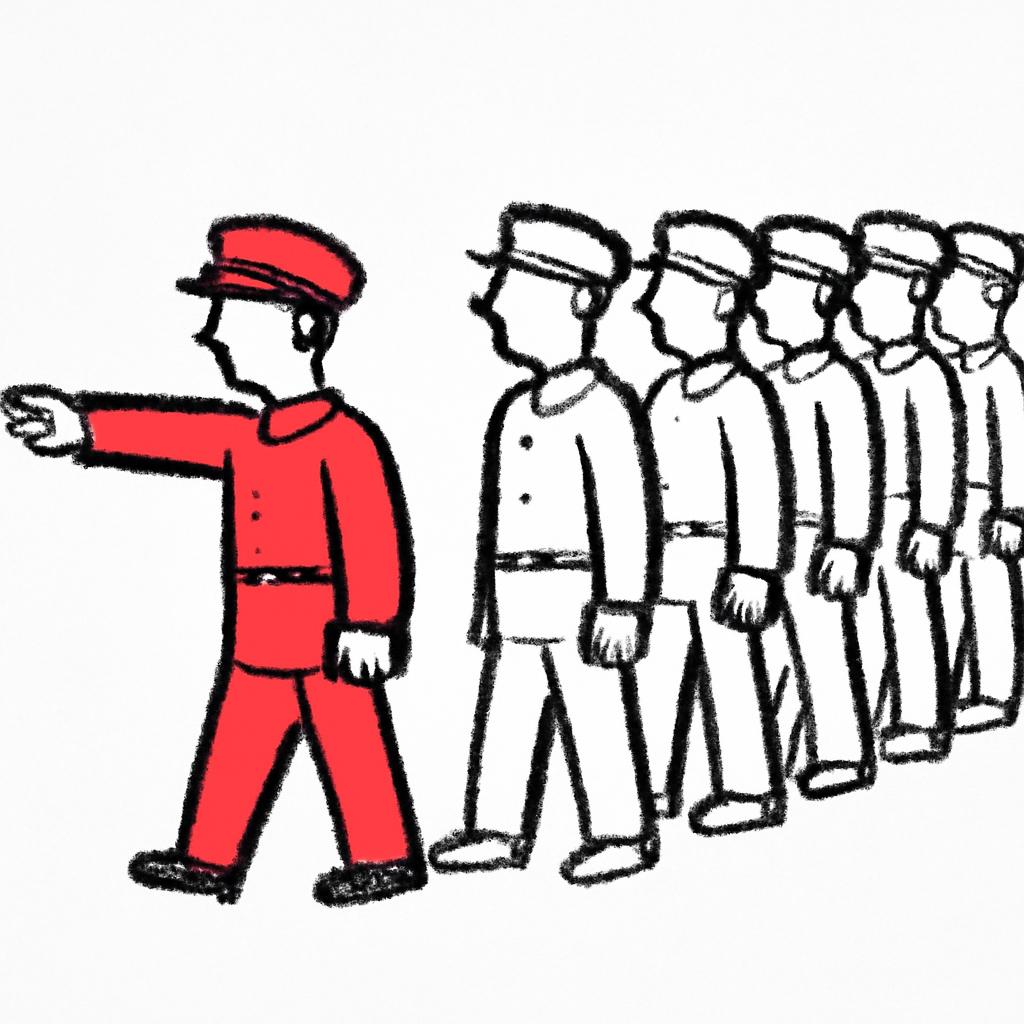
Milgram's experiments are the canonical example: people willingly administered what they believed were dangerous electric shocks to strangers because a man in a lab coat told them to. The instinct to defer to authority is much stronger than most of us think.
In business this shows up as junior people not pushing back on senior people even when they have better information, board members not pushing back on dominant CEOs, and pilots' first officers historically failing to override captains' mistakes (the FAA fixed this with Crew Resource Management training, which saved thousands of lives).
The defence is structural: build cultures and processes where pushing back on authority is explicitly welcomed, with no penalty. Without active design, the default human instinct will quiet the people who should be objecting.
Examples in the wild
Many corporate scandals (Enron, Wells Fargo, Boeing 737 MAX) had junior people who saw the problem clearly but didn't escalate because the senior people were committed. The authority effect explains the silence.
Boards systematically defer to dominant CEOs even when the CEO is heading into a bad decision. The whole governance system relies on directors overriding the authority gradient, and most don't.
Medical errors persist partly because nurses and junior doctors defer to senior doctors even when the senior is making a mistake. The fix is the same as in aviation: explicit protocols for safe escalation.
Authority-misinfluence tendency is one of the mental models we apply through real cases inside the Pareto MBA — a part-time program for professionals who want to think clearly about business.