Arbitrage
Exploiting a price gap between two markets for the same good.
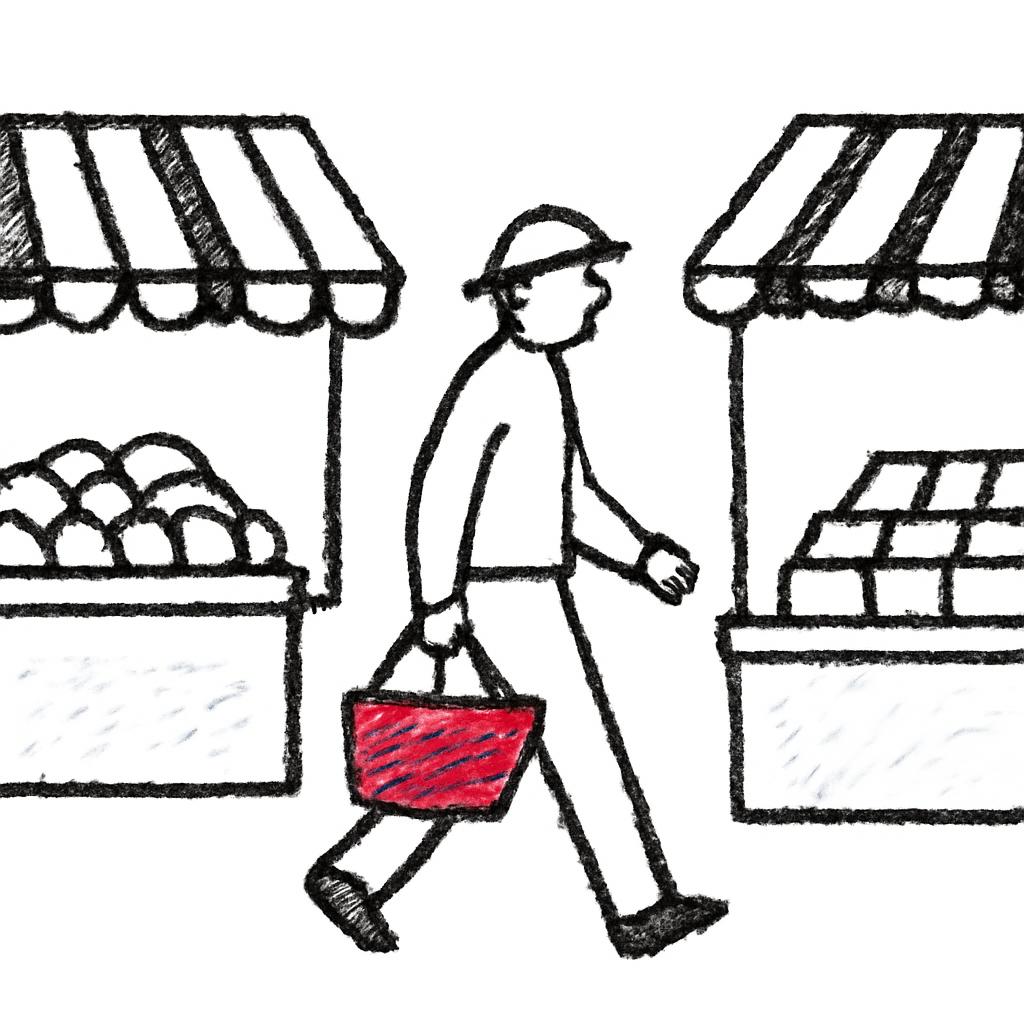
Classical arbitrage: buy at the lower price in one market, sell at the higher price in another, pocket the difference. The action itself closes the gap (the buying raises the lower price, the selling lowers the higher price), so opportunities tend to be temporary.
In efficient markets, arbitrage is rare. In inefficient ones, it's common. Most arbitrage opportunities aren't financial; they're informational, geographic, or temporal. Knowing something the other side doesn't. Being in a position the other side isn't. Acting on a window before the other side does.
For operators, arbitrage thinking matters because it's often hidden in plain sight. A skill gap. A geographic gap. An attention gap. The first person to notice and act gets the arbitrage; the rest get the equilibrium.
Examples in the wild
Remote work was a labour arbitrage between high-cost and low-cost locations. The companies that started arbitrating early got the talent edge for several years before the practice spread.
Most genuine investment edges are arbitrages of some kind: time arbitrage (willingness to hold longer), information arbitrage (knowing things others don't), behavioural arbitrage (acting calmly when others panic).
Career arbitrage: applying skills from one industry to another that lacks them often gets you paid more for less competition. The arbitrage closes when the practice spreads.
Arbitrage is one of the mental models we apply through real cases inside the Pareto MBA — a part-time program for professionals who want to think clearly about business.