Algorithms
Automated if-then rule sets producing reliable outputs.
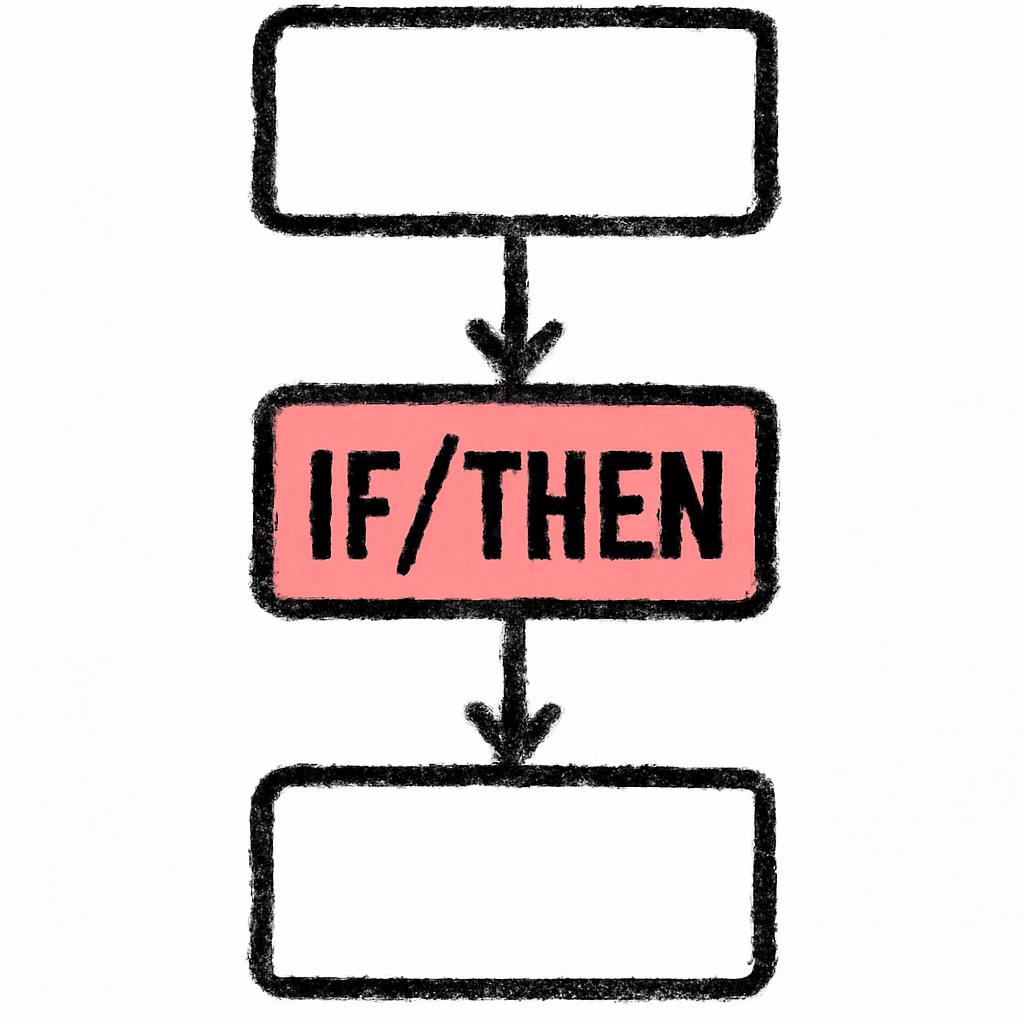
An algorithm is a deterministic sequence of steps. Given the same input, you get the same output, every time. The principle works in code, in DNA, and in well-designed operating procedures.
The value of algorithmic thinking is reliability. Once an algorithm is right, it stays right. It doesn't get tired, distracted, biased, or moody. The downside is rigidity: algorithms only handle what they were designed for; novel inputs produce undefined behaviour.
For operators, deciding what to algorithmise is a strategic choice. Tasks done many times with stable inputs (closing books, onboarding employees, processing returns) should usually be algorithmised. Tasks that require judgment or context (negotiations, strategic decisions, creative work) usually shouldn't be.
Examples in the wild
Companies that algorithmise the right tasks free up humans for the tasks humans should do. McDonald's algorithmised food prep. Toyota algorithmised production. The humans got to focus on customer experience and improvement.
Index funds are algorithmic investing. They beat most active funds over 20+ years partly because the algorithm doesn't get scared at the bottom or greedy at the top.
Personal algorithms (morning routines, monthly financial reviews, weekly planning) free up willpower for things that need judgment.
Algorithms is one of the mental models we apply through real cases inside the Pareto MBA — a part-time program for professionals who want to think clearly about business.