Steelmanning
Argue against the strongest version of an opponent's position, not the weakest.
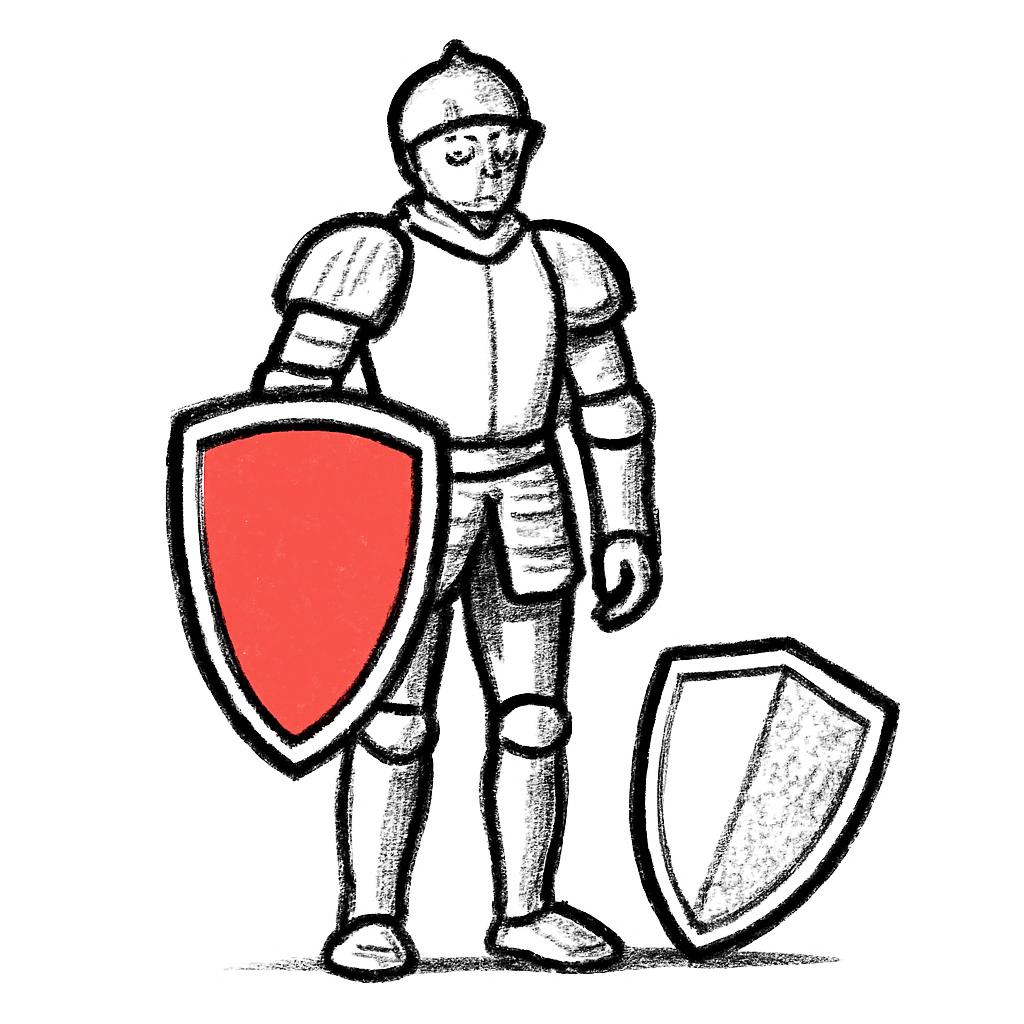
The opposite of strawmanning. To steelman is to construct the most articulate, most defensible version of the argument you disagree with, then respond to that version. It's the epistemic discipline behind good reasoning.
Strawmanning is easier (find the weakest version, knock it down, declare victory). Steelmanning is harder (find the strongest version, take it seriously, then respond) and almost always produces better understanding of the issue.
For operators, steelmanning is the test of whether you actually understand the other side. If your version of their argument sounds dumb, you haven't steelmanned it; you've strawmanned it. The strongest version usually has merit even when you ultimately disagree.
Examples in the wild
Most strategic debates improve when each side has to articulate the other's case first. The discipline forces understanding before opposition.
Before taking any major position, steelman the opposite case. If you can't make a strong case against your own thesis, you don't yet understand it well enough.
Most political disagreements improve when both sides actually steelman the other. The disagreement usually narrows; sometimes it even resolves.
Steelmanning is one of the mental models we apply through real cases inside the Pareto MBA — a part-time program for professionals who want to think clearly about business.