Minimising energy expenditure
Organisms and brains are lazy by design. This underlies most cognitive bias.
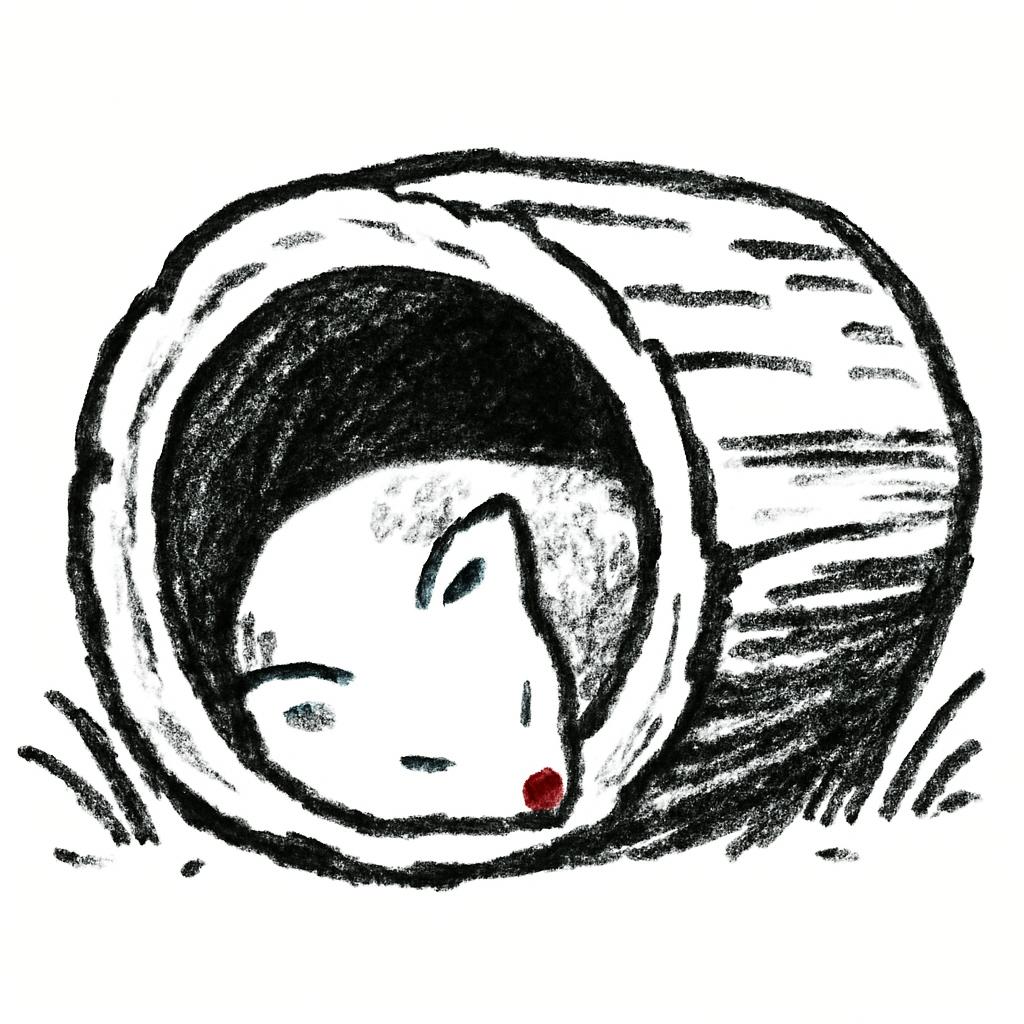
Energy is expensive in evolutionary terms. Organisms that wasted it didn't survive. The result is that biological systems default to the lowest-energy way to do anything, including thinking. Most of what we call cognitive bias is the brain choosing a low-energy shortcut over a higher-energy thorough analysis.
This is why thinking carefully is tiring. Why we default to habits. Why we believe what we already believe. Why we use heuristics. Why we resist updating. All of these are the brain doing its energy-saving job.
For operators, the implication is that careful thinking is metabolically expensive. You can't sustain it for many hours a day. The right move is to allocate the expensive thinking to the decisions that matter most and use cheaper heuristics for the rest. Trying to think carefully about everything fails.
Examples in the wild
Most teams default to whatever's easy and familiar, even when something better is available. Overcoming the energy-saving default requires explicit incentive design.
Many investors default to recent-news-driven thinking because it's cheap, even when the news is irrelevant to the underlying decision. The lazy brain prefers familiar stimulus.
Most personal change fails because the new behaviour costs more energy than the old. Until the new behaviour becomes habit (which is lower-energy), willpower has to fund the difference.
Minimising energy expenditure is one of the mental models we apply through real cases inside the Pareto MBA — a part-time program for professionals who want to think clearly about business.