Entropy
The universal drift toward disorder. Maintaining organisation is active work against the gradient.
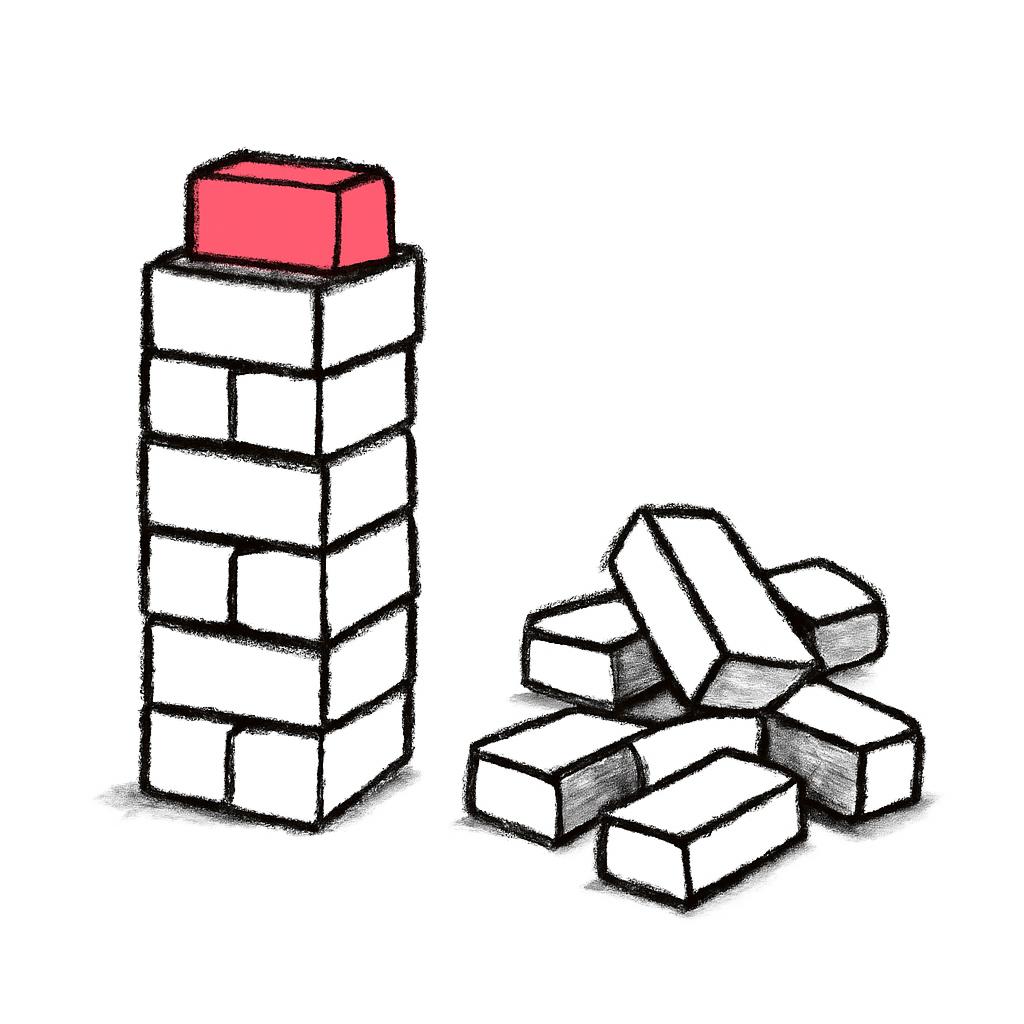
Entropy is the second law of thermodynamics, made specific. In any closed system, disorder increases over time. The room gets messy. The garage fills with junk. The code becomes spaghetti. The organisation calcifies. Nothing maintains itself.
Order is metastable. It requires continuous energy input to maintain against entropy. Every clean kitchen, well-run team, working product, and healthy relationship is the result of someone doing active work against the entropic gradient. Stop the work and disorder returns.
For operators, the practical implication is: budget for maintenance. The clean state of anything (codebase, organisation, brand) is a deliberate ongoing investment, not a fixed state. Companies that don't maintain accumulate disorder until they're crippled by it.
Examples in the wild
Software entropy: every codebase that doesn't have someone actively refactoring becomes harder to change over time. The maintenance work isn't optional; it's the price of staying functional.
Even well-run companies require constant maintenance investment to keep their competitive position. The ones that stop reinvesting always lose share to upstarts who are spending the energy.
Homes, gardens, friendships, fitness, skills all entropy unless actively maintained. The maintenance is invisible labour. The decline of someone who stopped doing it is visible.
Entropy is one of the mental models we apply through real cases inside the Pareto MBA — a part-time program for professionals who want to think clearly about business.